Table of Contents
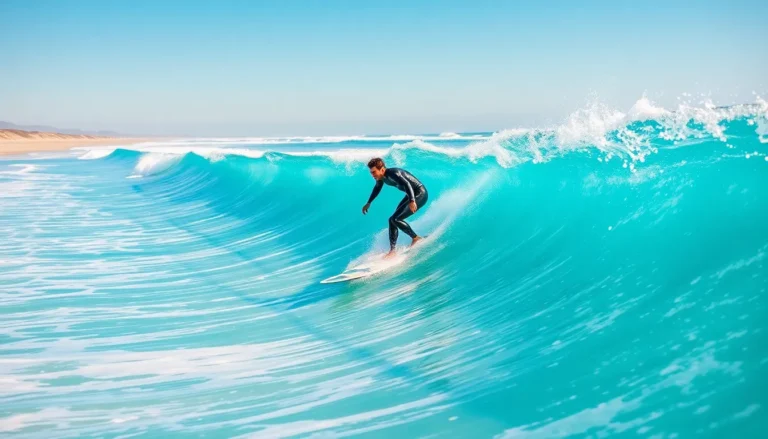
ToggleWhat is surfing? At its core, surfing is the act of riding ocean waves while standing on a board. This water sport has captured the hearts of millions worldwide and continues to grow in popularity each year. From its ancient Polynesian roots to modern competitive events, surfing represents both athletic achievement and a unique lifestyle. This guide covers the history of surfing, how it works, essential equipment, different styles, and its many health benefits. Whether someone is curious about trying surfing or simply wants to understand this iconic sport, the information below provides a solid foundation.
Key Takeaways
- Surfing is the act of riding ocean waves while standing on a board, combining physics, timing, and balance.
- The sport originated in ancient Polynesia over 3,000 years ago and gained global recognition with its debut at the 2020 Tokyo Olympics.
- Essential surfing equipment includes a surfboard, wetsuit, leash, wax, and fins—beginners should consider renting gear before buying.
- Surfing styles range from longboarding and shortboarding to big wave surfing and stand-up paddleboarding, each with unique techniques.
- A typical two-hour surfing session burns 400–600 calories while improving cardiovascular health, balance, and coordination.
- Surfing offers mental health benefits by reducing stress and anxiety, while building confidence and fostering community connections.
The History and Origins of Surfing
Surfing began in ancient Polynesia, likely over 3,000 years ago. The earliest evidence of wave riding comes from pre-contact cultures in what is now Hawaii, Tahiti, and other Pacific islands. For Hawaiians, surfing held deep cultural significance. Chiefs and commoners alike practiced the sport, though the best waves and finest boards were often reserved for royalty.
When European explorers arrived in Hawaii in the 18th century, they documented locals riding waves on wooden boards. Captain James Cook’s crew recorded these observations in 1778. But, missionary influence in the 19th century nearly destroyed the practice. Missionaries viewed surfing as unproductive and tied to Hawaiian religious customs they sought to eliminate.
Surfing survived through a small group of dedicated practitioners. The sport’s modern revival began in the early 1900s. Duke Kahanamoku, an Olympic swimmer from Hawaii, became surfing’s greatest ambassador. He traveled the world demonstrating wave riding and introduced surfing to Australia and the United States mainland.
By the 1960s, surfing had become a cultural phenomenon. Beach movies, surf rock music, and the California surf scene brought the sport into mainstream consciousness. Today, surfing is practiced on every continent with coastlines. The sport achieved its ultimate recognition when it debuted at the 2020 Tokyo Olympics.
How Surfing Works
Surfing involves riding the face of a moving wave toward shore. The basic mechanics combine physics, timing, and balance. Here’s how it works step by step.
First, a surfer paddles out beyond where waves break. They position themselves facing the horizon, watching for incoming swells. When a suitable wave approaches, the surfer turns toward shore and begins paddling to match the wave’s speed.
As the wave lifts the board, the surfer performs a “pop-up”, a quick motion from lying flat to standing. This movement requires upper body strength and coordination. Once standing, the surfer shifts weight to control direction and speed.
Waves form when wind energy transfers to the ocean surface. Swells travel across open water until they reach shallow areas near shore. The ocean floor causes the wave to steepen and eventually break. Surfing happens on the unbroken face of the wave, just ahead of the white water.
Different wave types create different surfing experiences. Beach breaks occur over sandy bottoms and shift with tides. Point breaks wrap around headlands and offer long, consistent rides. Reef breaks form over coral or rock and produce some of the world’s most famous waves.
Successful surfing requires reading ocean conditions. Surfers learn to identify rip currents, understand tide patterns, and predict wave size based on weather reports.
Essential Surfing Equipment
Starting to surf requires only a few key pieces of equipment. The surfboard is the most important item. Boards come in various shapes and sizes, each designed for specific conditions and skill levels.
Surfboards
- Longboards: Measuring 9 feet or longer, these boards offer maximum stability. They’re ideal for beginners learning to balance and catch small waves.
- Shortboards: These boards range from 5 to 7 feet and allow advanced surfers to perform sharp turns and aerial maneuvers.
- Foam boards: Made from soft foam, these beginner-friendly options reduce injury risk during learning.
- Fish boards: Shorter and wider than typical shortboards, fish shapes work well in smaller, mushier waves.
Wetsuits
Wetsuits keep surfers warm in cold water. Neoprene material traps a thin layer of water against the skin, which body heat warms. Wetsuit thickness varies from 2mm for mild conditions to 6mm for frigid waters. Some tropical locations allow surfing in just board shorts or swimsuits.
Other Essentials
- Leash: A cord connecting the board to the surfer’s ankle prevents losing the board after wipeouts.
- Wax: Applied to the deck, wax creates traction so feet don’t slip.
- Fins: Attached to the board’s bottom, fins provide directional control.
- Rash guard: This lightweight shirt protects against board rub and sun exposure.
Beginners should consider renting equipment before purchasing. Many surf shops offer affordable rental packages that include boards and wetsuits.
Types of Surfing Styles
Surfing has evolved into several distinct styles. Each approach has its own techniques, equipment, and culture.
Shortboarding
Shortboarding represents the most common competitive surfing style. Athletes use boards under 7 feet to execute radical maneuvers. Cutbacks, snaps, and aerials score points in contests. This aggressive style demands excellent fitness and years of practice.
Longboarding
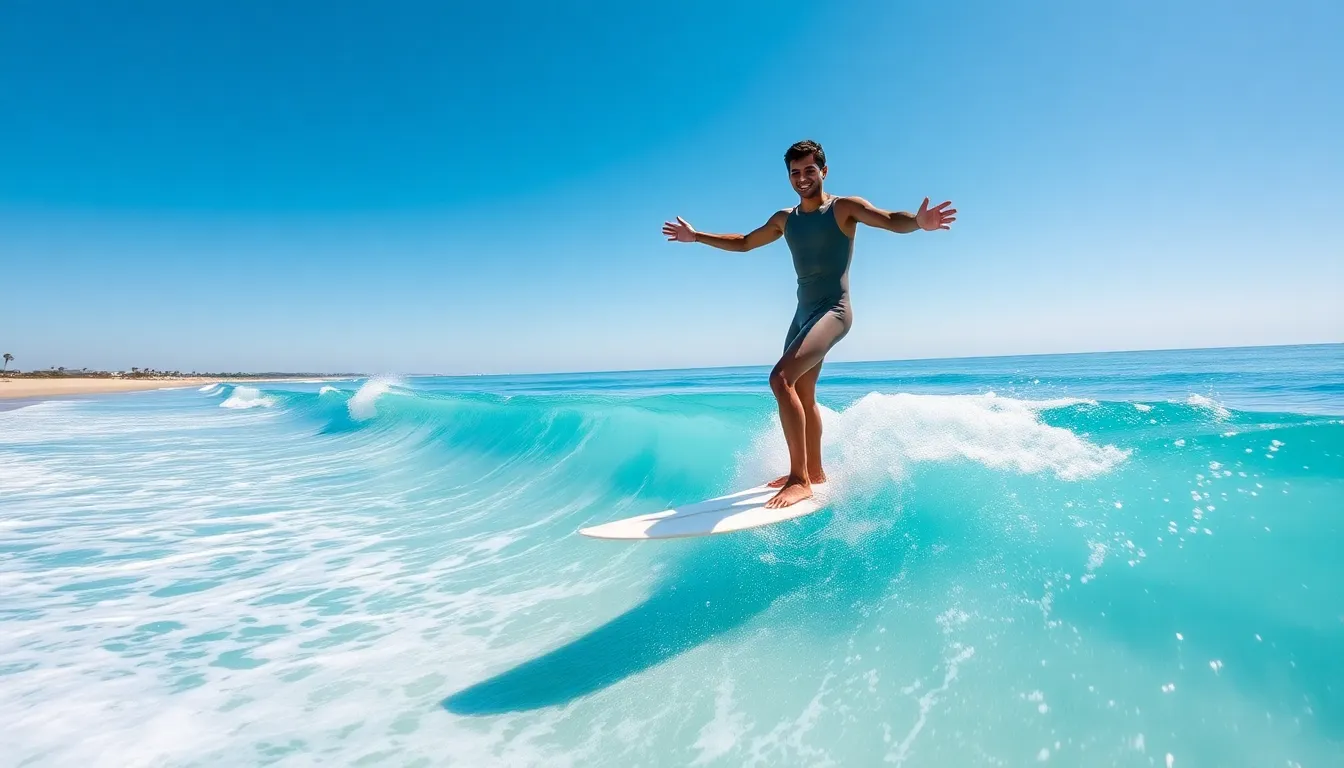
Longboarding emphasizes grace and style over radical moves. Surfers perform cross-stepping, walking up and down the board while riding. The classic “hang ten” maneuver involves placing all ten toes over the nose. Longboarding competitions judge flow, style, and traditional techniques.
Big Wave Surfing
Big wave surfing focuses on riding waves over 20 feet tall. Some spots, like Nazaré in Portugal and Jaws in Hawaii, produce waves exceeding 60 feet. Big wave surfers often use jet skis for tow-in assistance. This extreme form of surfing carries significant danger and requires specialized safety training.
Bodyboarding
Bodyboarders ride waves lying on shorter, rectangular foam boards. This accessible style allows riders to catch waves that may be too fast or hollow for stand-up surfing. Many surfers started on bodyboards before transitioning to stand-up surfing.
Stand-Up Paddleboarding (SUP)
SUP surfing combines paddleboarding with wave riding. Surfers stand on large, stable boards and use paddles for propulsion. This style provides excellent fitness benefits and works in smaller wave conditions.
Health Benefits of Surfing
Surfing delivers impressive physical and mental health benefits. The sport provides a full-body workout while connecting participants with nature.
Physical Benefits
Paddling builds upper body strength. The motion works shoulders, arms, back, and core muscles. Studies show regular surfers develop significant cardiovascular endurance from extended paddling sessions.
The pop-up motion strengthens chest, arms, and core. Standing and balancing engage leg muscles and stabilizer groups. A typical two-hour surfing session burns between 400 and 600 calories.
Surfing improves balance and coordination. The constant micro-adjustments required on a moving wave train the body’s proprioceptive system. This benefit transfers to other sports and daily activities.
Mental Health Benefits
Time in the ocean reduces stress and anxiety. Research published in health journals links ocean exposure to improved mental well-being. The rhythmic nature of waves and the focus required for surfing create a meditative state.
Surfing builds confidence. Learning new skills and conquering fears, like wiping out or paddling through larger waves, strengthens mental resilience. Many surfers describe a “stoke” feeling, a sense of joy and accomplishment unique to wave riding.
Social Benefits
The surfing community offers social connection. Lineups become gathering places where people share waves and experiences. Many lifelong friendships form through surfing. Local surf clubs and lessons provide entry points for newcomers seeking community.