Table of Contents
ToggleBest swimming starts with the right knowledge. Whether someone just learned to float or they’re training for competitive events, solid techniques make all the difference. Swimming offers a full-body workout, burns calories efficiently, and places minimal stress on joints. It’s one of the few exercises that people can enjoy from childhood through their senior years.
This guide covers essential strokes, endurance-building strategies, top locations to swim, and gear that actually helps. Swimmers at every level will find practical advice they can apply during their next pool session or open water adventure.
Key Takeaways
- Master the four essential strokes—freestyle, backstroke, breaststroke, and butterfly—to achieve the best swimming performance for any goal.
- Swim three to four times per week for at least 30 minutes to build endurance consistently and see noticeable progress within a month.
- Use interval training by alternating fast and slow laps to challenge your cardiovascular system and boost both aerobic and anaerobic capacity.
- Exhale steadily underwater and inhale quickly at the surface to improve breathing efficiency and swim farther without fatigue.
- Choose the right gear—quality goggles, a well-fitting swimsuit, and training accessories like pull buoys and fins—to enhance comfort and performance.
- Always prioritize safety in open water by swimming with a buddy, wearing a bright swim cap, and checking water quality reports beforehand.
Essential Swimming Strokes to Master
Every swimmer should know the four primary strokes. Each one works different muscle groups and serves specific purposes in the water.
Freestyle (Front Crawl)
Freestyle remains the fastest and most efficient stroke for covering distance. Swimmers keep their body horizontal while alternating arm pulls and flutter kicks. The key? Rotate the hips with each stroke to generate power. Many beginners make the mistake of swimming flat, this wastes energy and slows them down.
Breathing happens by turning the head to the side during arm recovery. Exhale underwater, inhale quickly when the mouth clears the surface. Practice bilateral breathing (alternating sides) to develop balanced technique.
Backstroke
Backstroke lets swimmers breathe freely since the face stays above water. It’s excellent for those who feel anxious about submerging. The body position mirrors freestyle but inverted. Arms alternate in a windmill motion while legs perform a steady flutter kick.
A common error involves letting the hips sink. Swimmers should push their belly toward the sky and keep their head still. Looking straight up at the ceiling or sky helps maintain proper alignment.
Breaststroke
Breaststroke moves slower than freestyle but offers a relaxed swimming experience. The arms pull in a heart-shaped pattern while the legs execute a frog kick. Timing matters here, the glide phase between strokes conserves energy.
This stroke works well for best swimming in recreational settings. It allows easy conversation and doesn’t require putting the face in the water for extended periods.
Butterfly
Butterfly demands the most strength and coordination. Both arms recover simultaneously over the water while the body performs a dolphin kick. It’s physically intense but impressive to watch and perform.
Beginners should master the other three strokes before attempting butterfly. Building core strength and shoulder flexibility helps tremendously.
How to Improve Your Swimming Endurance
Endurance separates casual swimmers from those who can handle longer distances. Building stamina takes time, but specific strategies speed up the process.
Consistent Practice Schedule
Swimming three to four times per week produces noticeable endurance gains within a month. Each session should last at least 30 minutes. Consistency beats intensity, regular shorter swims outperform occasional marathon sessions.
Interval Training
Alternating between fast and slow laps challenges the cardiovascular system. Try swimming four laps at moderate pace, then one lap at maximum effort. Rest for 30 seconds and repeat. This approach builds both aerobic and anaerobic capacity.
A sample interval set for best swimming fitness:
- 4 x 50 meters at 70% effort (20-second rest between each)
- 2 x 100 meters at 80% effort (30-second rest)
- 4 x 25 meters sprint (15-second rest)
Breathing Efficiency
Poor breathing habits drain energy fast. Many swimmers hold their breath underwater instead of exhaling steadily. This creates oxygen debt and forces gasping breaths at the surface.
Practice exhaling slowly through the nose while submerged. The inhale should feel natural and quick. Efficient breathing transforms how far someone can swim without fatigue.
Drills for Technique
Sloppy technique wastes energy. Catch-up drill (touching hands in front before starting the next stroke) improves timing. Kickboard sets isolate leg muscles. Pull buoy work strengthens the upper body.
Better technique equals less effort per lap. That efficiency directly translates to improved endurance.
Best Pools and Open Water Locations for Swimming
Where someone swims affects their experience significantly. Different environments suit different goals and preferences.
Indoor Pools
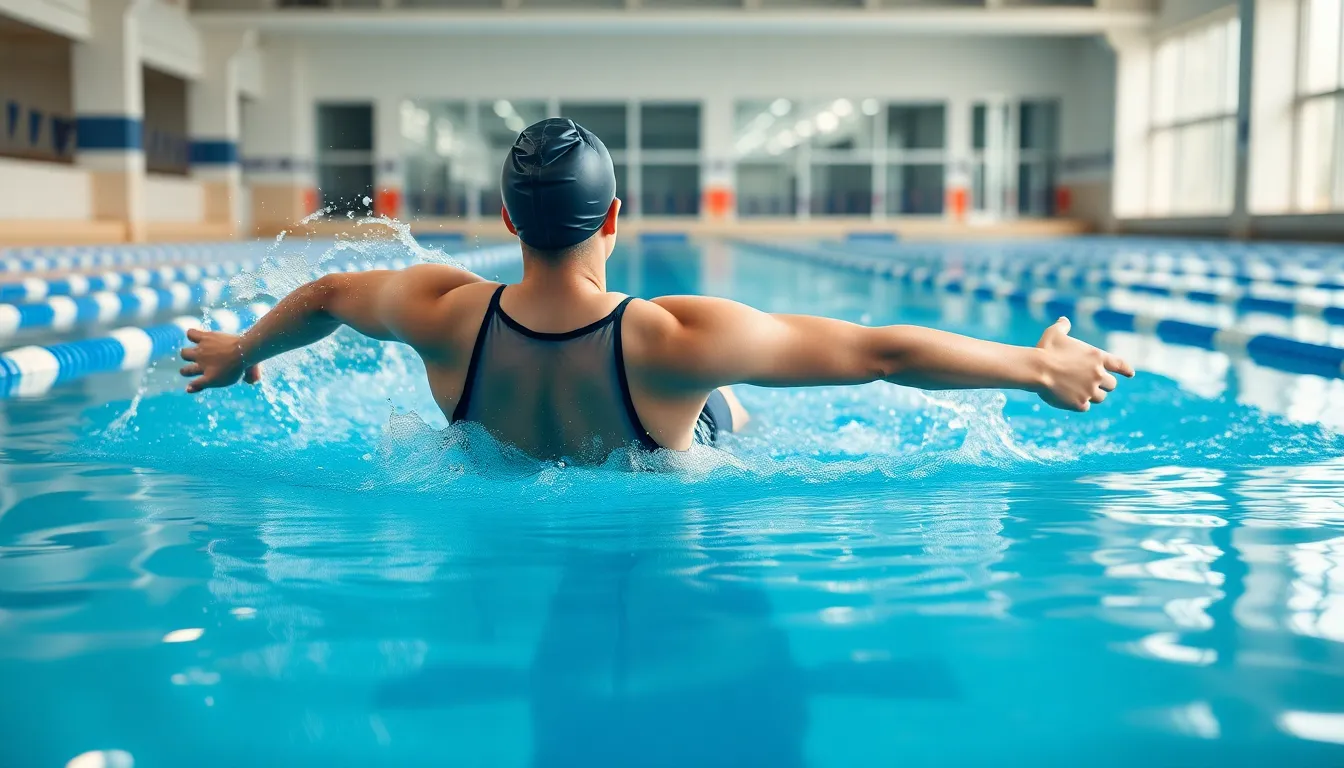
Indoor facilities offer controlled conditions year-round. Water temperature stays consistent, and lane ropes separate swimmers by speed. Most gyms and recreation centers maintain 25-meter or 25-yard pools, perfect for lap swimming.
Look for pools with good ventilation. Chlorine buildup in poorly ventilated spaces irritates eyes and lungs. Early morning or late evening sessions typically have fewer crowds.
Outdoor Pools
Outdoor swimming provides fresh air and natural light. Olympic-sized pools (50 meters) allow longer continuous swims. Many public parks operate outdoor pools during summer months.
Sunscreen matters for extended outdoor sessions. Waterproof SPF 30 or higher protects against UV damage without washing off immediately.
Open Water Swimming
Lakes, rivers, and oceans present unique challenges. Currents, waves, and temperature variations test swimmers differently than pool environments. Open water swimming builds mental toughness alongside physical conditioning.
Safety comes first in open water. Swim with a buddy or group. Bright swim caps increase visibility. Check water quality reports before entering natural bodies of water.
Popular open water destinations include coastal beaches with lifeguard supervision, designated swimming areas in lakes, and calm river sections. The best swimming experiences often happen in these natural settings.
Swimming Gear That Makes a Difference
The right equipment enhances performance and comfort. Not everything marketed to swimmers proves necessary, but certain items genuinely help.
Goggles
Quality goggles protect eyes from chlorine and improve underwater vision. Fit matters most, goggles should seal without pressing painfully into the eye sockets. Anti-fog coating prevents visibility issues mid-swim.
Swimmers who train outdoors need tinted or mirrored lenses to reduce glare. Indoor swimmers can use clear lenses for best swimming visibility.
Swimsuits
Competitive swimmers choose tight-fitting suits that reduce drag. Recreational swimmers can opt for comfortable athletic suits. Avoid loose trunks or bikinis, they create resistance and slow movement through water.
Chlorine degrades fabric over time. Rinse suits in fresh water after each use to extend their lifespan.
Swim Caps
Caps keep hair out of the face and reduce drag slightly. Silicone caps last longer than latex versions. They also protect hair from chlorine damage.
Training Accessories
Pull buoys isolate upper body muscles by floating the legs. Kickboards do the opposite, focusing effort on the kick. Paddles increase resistance for strength building but should wait until technique solidifies, using them too early can cause shoulder injuries.
Fins help swimmers feel proper body position and develop ankle flexibility. Shorter fins work better for technique training than long snorkeling fins.