Table of Contents
ToggleSwimming ranks among the most effective full-body workouts available. This low-impact exercise burns calories, builds muscle, and improves cardiovascular health, all without stressing joints. Whether someone wants to lose weight, recover from an injury, or simply enjoy a refreshing activity, swimming offers something for everyone.
Millions of people swim regularly for fitness and recreation. The sport suits all ages and skill levels. A beginner can learn basic strokes in weeks, while experienced swimmers can push their limits with advanced techniques. This guide covers the health benefits of swimming, essential techniques, key strokes to learn, and safety tips to keep every swimmer protected in the water.
Key Takeaways
- Swimming provides a full-body workout that burns up to 700 calories per hour while being gentle on joints.
- Regular swimming improves cardiovascular health, lowers resting heart rate, and increases lung capacity.
- Beginners should master proper breathing, horizontal body position, and flutter kick technique before advancing.
- Four essential strokes—freestyle, backstroke, breaststroke, and butterfly—each offer unique fitness benefits.
- Always follow safety guidelines: swim with a buddy, know your environment, and respect your personal limits.
Health Benefits of Swimming
Swimming delivers impressive health benefits that few other exercises can match. The water supports body weight, which reduces stress on bones, joints, and muscles. This makes swimming ideal for people with arthritis, back pain, or injuries.
Cardiovascular and Respiratory Improvements
Regular swimming strengthens the heart and lungs. Studies show that swimmers have lower resting heart rates and better blood pressure than non-swimmers. The controlled breathing required during laps increases lung capacity over time. Even 30 minutes of swimming three times per week can produce measurable cardiovascular gains.
Full-Body Muscle Engagement
Swimming works nearly every major muscle group. Arms pull through the water. Legs kick for propulsion. Core muscles stabilize the body. This balanced workout builds lean muscle mass without the bulk that weight training sometimes creates. The resistance of water, about 12 times greater than air, forces muscles to work harder with each movement.
Mental Health and Stress Relief
Swimming also benefits mental health. The rhythmic nature of strokes and breathing creates a meditative effect. Many swimmers report reduced anxiety and improved mood after sessions. Research from the University of Exeter found that aquatic activities can reduce symptoms of depression as effectively as medication for some individuals.
Weight Management
For those focused on weight loss, swimming burns significant calories. A 155-pound person burns approximately 450 calories per hour during moderate swimming. Intense sessions can push that number past 700 calories. Because swimming feels less exhausting than running or cycling, people often exercise longer without realizing it.
Essential Swimming Techniques for Beginners
Good technique separates efficient swimmers from those who struggle. Beginners should focus on three core skills: breathing, body position, and basic propulsion.
Breathing Fundamentals
Proper breathing prevents fatigue and panic. New swimmers should practice exhaling underwater through the nose and mouth, then turning the head to inhale quickly. Many beginners hold their breath, which creates tension and wastes energy. Rhythmic breathing takes practice, but it becomes automatic with repetition.
Body Position
A horizontal body position reduces drag. Swimmers should keep their heads in line with their spines, looking slightly forward and down. Hips and legs should stay near the surface. When the head lifts too high, the legs drop, creating resistance that slows movement.
Flutter Kick Basics
The flutter kick provides steady propulsion. Legs should remain relatively straight with loose ankles. The kick originates from the hips, not the knees. Small, quick kicks work better than large, slow ones. Beginners often kick too hard, which wastes energy without adding speed.
Building Confidence
Confidence grows through gradual exposure. New swimmers benefit from starting in shallow water where they can stand. Floating exercises help people trust the water’s buoyancy. Using kickboards and pool noodles provides support while building strength and coordination.
Swimming Strokes to Master
Four primary strokes form the foundation of competitive and recreational swimming. Each stroke has distinct characteristics and benefits.
Freestyle (Front Crawl)
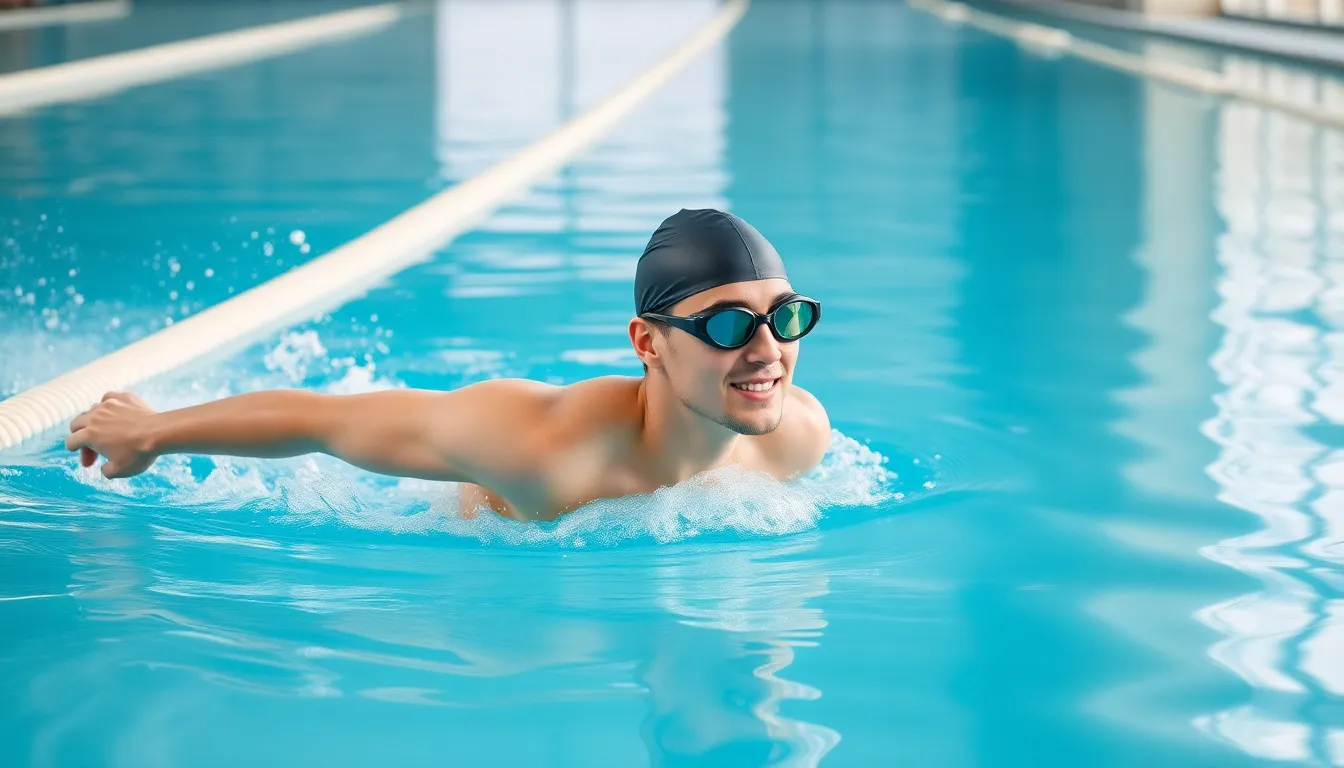
Freestyle is the fastest and most popular stroke. Swimmers alternate arm pulls while flutter kicking. The body rotates slightly with each stroke, and breathing occurs by turning the head to the side. Most swimming programs teach freestyle first because it feels natural and efficient.
Backstroke
Backstroke offers easy breathing since the face stays above water. Swimmers float on their backs, alternating arm movements in a windmill pattern. The flutter kick provides propulsion. Backstroke works the upper back, shoulders, and core. It also helps swimmers develop spatial awareness.
Breaststroke
Breaststroke moves the body through the water with a frog-like kick and simultaneous arm pull. This stroke allows swimmers to keep their heads above water if preferred. Breaststroke burns fewer calories than freestyle but provides excellent leg and chest muscle engagement. Many recreational swimmers prefer this stroke for leisurely laps.
Butterfly
Butterfly demands the most strength and coordination. Both arms move together in a circular motion while the legs perform a dolphin kick. This stroke burns the most calories and builds significant upper body power. Most swimmers learn butterfly last due to its difficulty.
Safety Tips for Swimmers of All Levels
Swimming carries risks that every swimmer should understand. Following safety guidelines prevents accidents and saves lives.
Never Swim Alone
The buddy system exists for good reason. Even experienced swimmers can cramp, become disoriented, or face unexpected emergencies. Swimming with others ensures help is available if problems occur. When swimming in public pools, lifeguards provide supervision, but a companion adds another layer of protection.
Know the Environment
Open water presents different challenges than pools. Currents, waves, underwater obstacles, and temperature changes require attention. Swimmers should check conditions before entering lakes, rivers, or oceans. Staying within designated swimming areas reduces exposure to hazards.
Avoid Alcohol and Drowsiness
Alcohol impairs judgment, coordination, and reaction time. The CDC reports that alcohol contributes to roughly 70% of water-related deaths among teens and adults. Swimming while tired also increases risk. Fatigue slows responses and reduces awareness of danger.
Learn Basic Rescue Skills
Every swimmer benefits from knowing rescue basics. Reaching assists, throwing flotation devices, and calling for help can save lives without putting rescuers at risk. The mantra “reach, throw, don’t go” reminds swimmers to avoid entering the water to save someone unless properly trained.
Respect Personal Limits
Overconfidence leads to accidents. Swimmers should gradually increase distance and intensity. Recognizing signs of exhaustion, heavy breathing, muscle fatigue, difficulty maintaining form, helps prevent dangerous situations.