Table of Contents
ToggleSwimming trends 2026 are reshaping how people train, compete, and enjoy the water. From wearable tech to eco-conscious swimwear, this year brings fresh developments for casual swimmers and elite athletes alike. The sport is evolving fast, and staying informed means staying ahead. Whether someone swims laps at a local pool or competes in open water events, these trends will influence their experience. Here’s what’s making waves in swimming this year.
Key Takeaways
- Swimming trends 2026 are driven by technology like smart goggles, AI coaching apps, and VR training that provide real-time feedback and mental preparation for athletes.
- Sustainable swimwear made from recycled ocean plastics and chlorine-free pool systems are becoming industry standards, reducing environmental impact.
- Open water swimming continues to surge with GPS tracking buoys, guided destination swim trips, and growing cold water swimming communities.
- Aquatic fitness now includes floating meditation, advanced aqua aerobics, and swim-spa hybrids that combine workouts with wellness and recovery.
- Inclusive swimming programs are expanding with adaptive equipment, para-swimming competitions, and community outreach to underserved populations.
- Swimming trends 2026 emphasize accessibility, with facilities offering sensory-friendly swim times, diverse swimwear options, and barrier-free designs for all abilities.
Technology-Driven Training and Performance
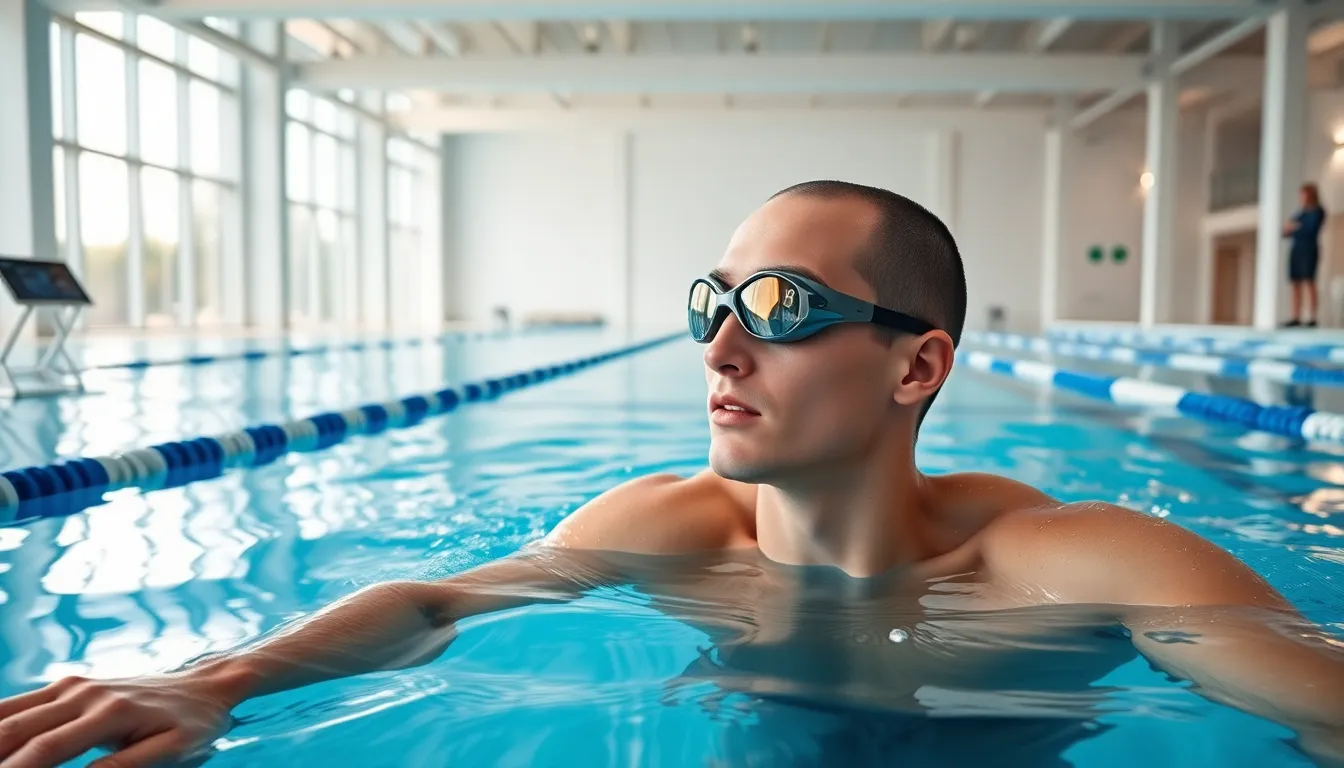
Wearable devices now track nearly every aspect of a swimmer’s performance. In 2026, smart goggles display real-time metrics like stroke count, pace, and heart rate directly in a swimmer’s field of vision. These devices eliminate guesswork and provide instant feedback during training sessions.
AI-powered coaching apps have also become mainstream. These apps analyze stroke technique through video uploads and offer specific corrections. A swimmer can record their freestyle, upload the footage, and receive detailed notes on arm entry angle or kick timing within minutes. This kind of feedback was once available only to professional athletes with dedicated coaches.
Underwater drones are another tool gaining traction. Coaches use them to capture footage from angles that would be impossible to film otherwise. The result? More precise technique adjustments and faster improvement.
Swimming trends 2026 also include virtual reality training. VR systems let swimmers visualize race scenarios, practice pacing strategies, and build mental resilience, all without getting wet. These simulations help athletes prepare for high-pressure competitions in controlled environments.
Pool facilities are upgrading too. Smart lane systems adjust water currents to create resistance training conditions. Some facilities now offer personalized lane settings based on a swimmer’s profile. Technology isn’t replacing hard work, it’s amplifying results.
Sustainable Swimwear and Eco-Friendly Practices
Sustainability is no longer optional in the swimming industry. Brands are producing swimsuits from recycled ocean plastics, discarded fishing nets, and post-consumer waste. These materials perform just as well as traditional synthetics while reducing environmental impact.
Chlorine-free pool systems are expanding rapidly. Saltwater and UV sanitation methods create healthier swimming environments and reduce chemical runoff. Swimmers report less skin irritation and longer-lasting swimwear when training in these pools.
Swimming trends 2026 show a growing demand for biodegradable swim caps and goggles with replaceable lenses. Manufacturers are responding with products designed for longevity rather than disposal. Some companies now offer take-back programs where swimmers return worn gear for recycling.
Aquatic centers are implementing solar-powered heating systems and rainwater collection for pool maintenance. These changes lower operational costs and appeal to environmentally conscious swimmers. Facilities that adopt green practices often see increased membership from people who value sustainability.
The shift extends to swim events. Race organizers are eliminating single-use plastics, offering reusable water bottles, and partnering with ocean conservation groups. Swimmers increasingly choose events aligned with their environmental values.
Open Water Swimming Continues to Surge
Open water swimming is experiencing significant growth in 2026. More people are leaving pools behind to swim in lakes, rivers, and oceans. The appeal is simple: fresh scenery, new challenges, and a deeper connection to nature.
Event registrations for open water races have climbed steadily. Marathon swims, charity crossings, and adventure swims attract participants of all skill levels. Some events combine swimming with hiking or cycling for multi-sport experiences.
Safety technology has made open water more accessible. GPS tracking buoys allow support teams to monitor swimmers in real time. Brightly colored swim buoys with emergency whistles and waterproof phone pouches give solo swimmers peace of mind.
Swimming trends 2026 include guided open water experiences. Tour operators now offer destination swim trips to scenic locations worldwide. Swimmers travel to swim in crystal-clear Mediterranean coves or alongside tropical marine life. These trips combine fitness with travel and adventure.
Cold water swimming has its own dedicated following. Studies suggest regular cold water immersion improves mood and immune function. Communities of cold water swimmers meet year-round, even in winter months, to share the experience.
Local swimming clubs are adding open water sessions to their programs. Coaches teach skills specific to open water, sighting, drafting, and handling currents. This instruction helps pool swimmers transition safely to outdoor environments.
Wellness-Focused Aquatic Fitness
Swimming is earning recognition as a complete wellness activity. In 2026, aquatic fitness extends far beyond traditional lap swimming. People use water for low-impact workouts, rehabilitation, and stress relief.
Aqua aerobics classes have evolved. Modern sessions incorporate resistance equipment, interval training, and even dance elements. These classes attract people recovering from injuries, older adults seeking joint-friendly exercise, and anyone looking for variety in their routine.
Swimming trends 2026 highlight the rise of aquatic mindfulness. Some pools now offer floating meditation sessions where participants rest in buoyant devices while guided audio plays through waterproof speakers. The sensory experience promotes relaxation and mental clarity.
Hydrotherapy programs are expanding in medical and fitness settings. Warm water pools help people manage chronic pain, arthritis, and mobility limitations. Physical therapists use water’s natural resistance to rebuild strength without strain.
Swim-spa hybrids are popular for home use. These compact units combine swimming jets for resistance workouts with massage features for recovery. Homeowners can swim laps, do aquatic exercises, and relax, all in one installation.
Mental health benefits drive many people to the pool. Swimming reduces cortisol levels, releases endorphins, and provides a screen-free escape. For many, their daily swim is as much about mental wellness as physical fitness.
Inclusive and Adaptive Swimming Programs
Swimming programs are becoming more accessible to people of all abilities. In 2026, facilities and organizations are investing in adaptive equipment, trained staff, and barrier-free design.
Pool hoists, accessible changing rooms, and sensory-friendly swim times are now standard at many aquatic centers. These features welcome swimmers with physical disabilities, autism, and other conditions that require accommodation.
Swimming trends 2026 show growth in para-swimming participation. More competitive opportunities exist for adaptive athletes, from local meets to international championships. Governing bodies have refined classification systems to ensure fair competition.
Instructor training has improved significantly. Coaches learn to modify techniques for swimmers with different needs. A swimmer with limited arm mobility might focus on kick-based propulsion. Someone with visual impairment learns to use lane lines and audio cues for orientation.
Community programs bring swimming to underserved populations. Mobile swim units travel to neighborhoods without pool access. Scholarship programs cover lesson costs for families facing financial barriers. These efforts address disparities in swim education and water safety.
Representation matters too. Campaigns feature diverse swimmers in marketing materials. Swimwear brands design suits for different body types, religious requirements, and mobility needs. Everyone deserves to see themselves reflected in the sport.