Table of Contents
ToggleSwimming tools make a real difference in how swimmers train, improve, and enjoy their time in the water. Whether someone is learning their first stroke or preparing for competition, the right equipment can accelerate progress and prevent bad habits from forming.
From basic goggles to advanced resistance gear, today’s swimming tools serve specific purposes. Some help with buoyancy. Others isolate muscle groups for targeted training. A few simply make swimming more comfortable.
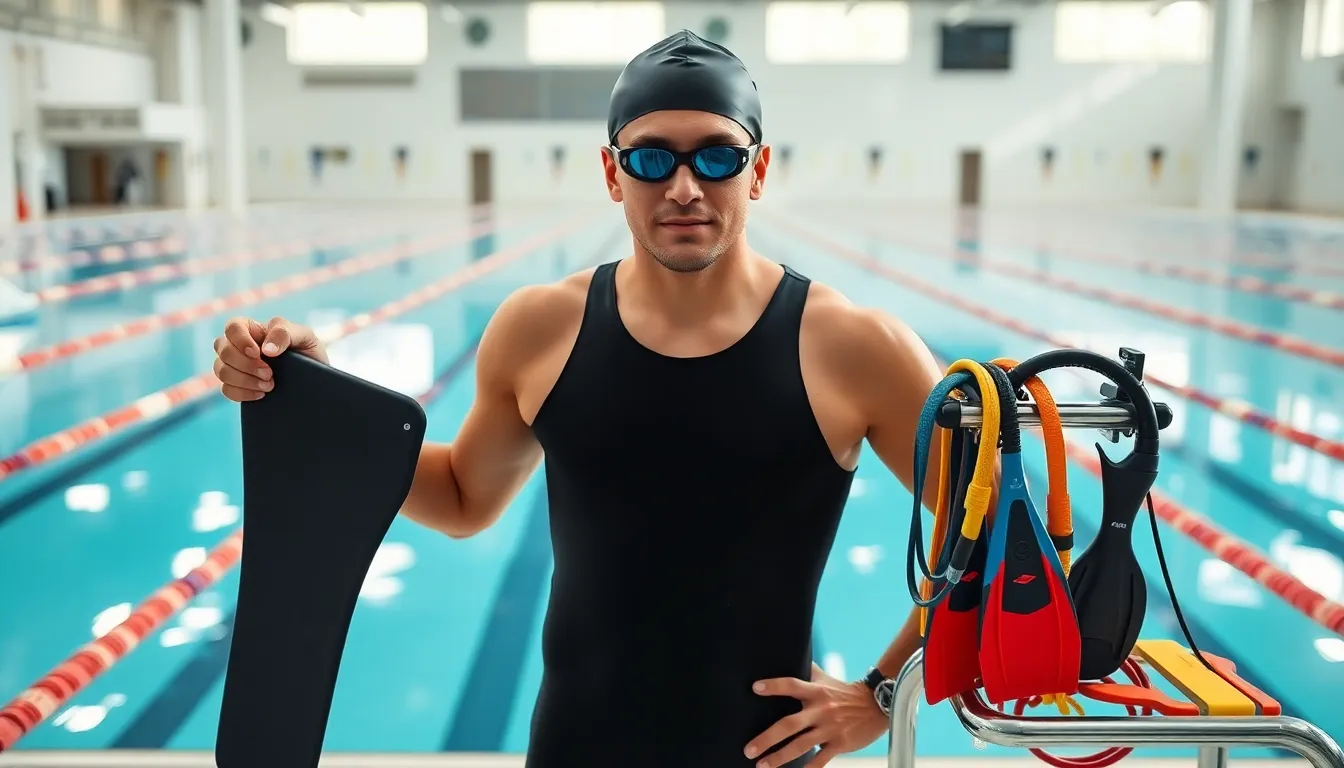
This guide covers the essential swimming tools every swimmer should know about. It explains what each piece of equipment does, who benefits most from using it, and how to pick the right options for different skill levels.
Key Takeaways
- Swimming tools like goggles, caps, kickboards, and pull buoys form the essential foundation for swimmers at every skill level.
- Kickboards isolate leg muscles to improve kick technique, while pull buoys help swimmers focus on arm stroke and body position.
- Swim fins and hand paddles add resistance and speed, building strength while reinforcing proper technique—but should be used strategically to avoid dependency.
- Advanced swimming tools like parachutes, drag suits, and resistance cords push competitive swimmers beyond their comfort zones for intense training.
- Beginners should start with basic swimming tools (goggles, cap, kickboard) and gradually add equipment like fins, paddles, and snorkels as skills progress.
- Investing in quality swimming tools from reputable brands ensures durability, better fit, and long-term savings over cheap alternatives.
Swim Goggles and Caps
Goggles and caps are the most basic swimming tools, yet they remain essential at every level.
Swim Goggles
Swim goggles protect eyes from chlorine and improve underwater visibility. A good pair prevents irritation during long sessions and helps swimmers see lane lines, walls, and other swimmers clearly.
Goggles come in several styles:
- Recreational goggles offer wide lenses and soft silicone seals for comfort
- Competition goggles sit lower on the face with smaller lenses to reduce drag
- Open water goggles feature tinted or mirrored lenses to handle sun glare
Fit matters most. Goggles should seal without pressing too hard against the eye sockets. Most swimmers press goggles against their face without using the strap, if they stay put for a few seconds, the fit works.
Swim Caps
Swim caps keep hair out of the face and reduce drag through the water. They also protect hair from chlorine damage during frequent pool sessions.
Silicone caps last longer and fit more comfortably than latex alternatives. Latex caps cost less but tear easily and may cause allergic reactions in some swimmers.
Competitive swimmers often wear two caps, a latex cap first, then a silicone cap over it, to secure goggles and minimize resistance.
These swimming tools represent the starting point for any swimmer building their equipment collection.
Kickboards and Pull Buoys
Kickboards and pull buoys isolate different parts of the swimming stroke. They help swimmers focus on specific skills without worrying about full-body coordination.
Kickboards
A kickboard supports the upper body while swimmers practice their kick. This isolation builds leg strength and improves kick technique.
Swimmers hold the kickboard at arm’s length and let their legs do all the work. It’s harder than it sounds. Many swimmers discover their kick needs serious attention once they can’t rely on their arms.
Kickboards come in various sizes. Larger boards offer more flotation for beginners. Smaller boards challenge advanced swimmers with less support.
Pull Buoys
Pull buoys work opposite to kickboards. Swimmers place them between their thighs to float the legs, allowing them to focus entirely on arm technique.
This swimming tool helps swimmers:
- Develop a stronger catch and pull
- Build upper body endurance
- Maintain proper body position without kicking
Pull buoys also reveal stroke flaws. Without the kick to compensate for poor rotation or timing, technique issues become obvious.
Many coaches recommend using kickboards and pull buoys in the same workout. Alternating between them gives each muscle group active recovery while training continues.
Swim Fins and Paddles
Fins and paddles add resistance and speed to swimming workouts. These swimming tools push athletes harder while reinforcing good technique.
Swim Fins
Swim fins attach to the feet and increase propulsion through the water. They help swimmers move faster, which makes practicing stroke technique at race pace possible.
Two main types exist:
- Long fins generate maximum thrust and work well for beginners learning proper kick mechanics
- Short fins provide moderate assistance and better simulate natural swimming speed
Fins also strengthen the ankles and improve flexibility over time. Swimmers with stiff ankles often see significant kick improvements after regular fin work.
But, fins can become a crutch. Swimmers should use them strategically rather than relying on them for every lap.
Hand Paddles
Hand paddles strap onto the palms and increase surface area during the pull phase. This added resistance builds arm and shoulder strength while emphasizing proper hand entry and catch position.
Paddles come in different sizes. Beginners should start with smaller paddles to avoid shoulder strain. Experienced swimmers can handle larger paddles for more intense strength training.
These swimming tools amplify both good and bad technique. A swimmer with poor form will feel increased stress on joints. That feedback, while uncomfortable, helps identify and correct stroke problems.
Resistance and Training Equipment
Beyond the basics, several swimming tools target specific training goals. These pieces of equipment push swimmers beyond their comfort zones.
Parachutes and Drag Suits
Swim parachutes attach to a belt and create drag behind the swimmer. This resistance forces swimmers to work harder while maintaining stroke technique. After removing the parachute, swimmers often feel faster and more powerful.
Drag suits serve a similar purpose. These mesh suits add water resistance throughout the entire workout. Many competitive swimmers train in drag suits and switch to racing suits for competition.
Resistance Bands and Cords
Resistance bands allow swimmers to practice stroke movements on dry land. They build muscle memory and strength without pool access.
Swim cords attach to a fixed point and let swimmers practice in place. The resistance increases as they swim forward, then pulls them back when they stop. This swimming tool works well for stroke refinement and interval training.
Snorkels
Swimmer’s snorkels mount on the forehead rather than the side of the mouth. This design allows swimmers to breathe continuously without turning their head.
Snorkels help swimmers focus on body position, rotation, and arm technique. They remove breathing from the equation, which simplifies learning and lets swimmers concentrate on other skills.
Advanced swimmers use snorkels with cardio caps that restrict airflow, creating a hypoxic training effect.
How to Choose the Right Swimming Tools
Selecting swimming tools depends on skill level, goals, and budget. Not every swimmer needs every piece of equipment.
For Beginners
New swimmers should start with goggles, a cap, and a kickboard. These swimming tools cover the essentials without overwhelming someone still learning basic strokes.
A pull buoy makes a good second purchase. It helps beginners feel what proper body position should be.
For Intermediate Swimmers
Intermediate swimmers benefit from adding fins and paddles to their collection. These tools accelerate technique development and add variety to workouts.
A snorkel also helps at this stage. It allows swimmers to focus on stroke mechanics without the distraction of breathing patterns.
For Advanced Swimmers
Competitive and advanced swimmers can explore resistance equipment like parachutes, drag suits, and swim cords. These swimming tools provide the intensity needed for serious training.
Quality Considerations
Cheap equipment often fails quickly or fits poorly. Investing in quality swimming tools from reputable brands saves money over time. Look for:
- Durable materials that resist chlorine damage
- Adjustable straps and comfortable fits
- Positive reviews from other swimmers
Many swim shops allow customers to try equipment before buying. Taking advantage of this option prevents costly mistakes.