Table of Contents
ToggleSwimming strategies can transform an average swimmer into a confident, efficient athlete. Whether someone trains for competition or swims for fitness, the right techniques make every lap count. Strong swimmers don’t just rely on raw strength, they use smart methods to conserve energy, move faster, and stay mentally sharp.
This guide covers the essential swimming strategies that lead to real improvement. Readers will learn how to breathe properly, refine their strokes, build endurance, and develop the mental edge that separates good swimmers from great ones. These techniques apply to beginners and experienced swimmers alike.
Key Takeaways
- Effective swimming strategies start with mastering breath control—exhale underwater and inhale only when your face clears the water.
- Refine your stroke mechanics by focusing on body position, high elbow catch for freestyle, and proper timing for each stroke style.
- Build endurance through interval training that alternates high-intensity efforts with recovery periods.
- Practice negative splitting by swimming the second half of your race faster than the first to prevent burnout and achieve faster times.
- Use mental swimming strategies like visualization, goal setting, and present-moment focus to gain a competitive edge.
- Track your pace per 100 meters during practice to develop the awareness needed for precise race execution.
Mastering Proper Breathing Techniques
Breathing affects everything in swimming. Poor breathing habits cause fatigue, disrupt stroke rhythm, and slow swimmers down. Effective swimming strategies always start with breath control.
Bilateral Breathing
Bilateral breathing means alternating which side a swimmer breathes on. Instead of always breathing to the right, a swimmer might breathe every three strokes, switching sides. This technique balances muscle development and improves body rotation. It also helps swimmers stay aware of competitors on both sides during races.
Exhale Underwater
Many swimmers hold their breath underwater, then try to exhale and inhale during the brief moment their face clears the water. This creates panic and rushed breathing. The better approach is to exhale steadily through the nose or mouth while the face is submerged. When the head turns to breathe, the swimmer only needs to inhale, a much faster action.
Rhythmic Breathing Patterns
Consistent breathing patterns help swimmers maintain pace. A distance swimmer might breathe every two or three strokes. A sprinter might take fewer breaths to maintain speed. The key is finding a rhythm that matches the swimmer’s intensity and sticking to it.
Practicing breathing drills in isolation helps. Swimmers can kick with a board while focusing solely on exhale timing. They can also do single-arm drills to work on head rotation without worrying about full stroke coordination.
Refining Your Stroke Mechanics
Efficient strokes reduce drag and increase propulsion. Small adjustments in technique often produce significant speed gains. These swimming strategies focus on the four main competitive strokes.
Freestyle Fundamentals
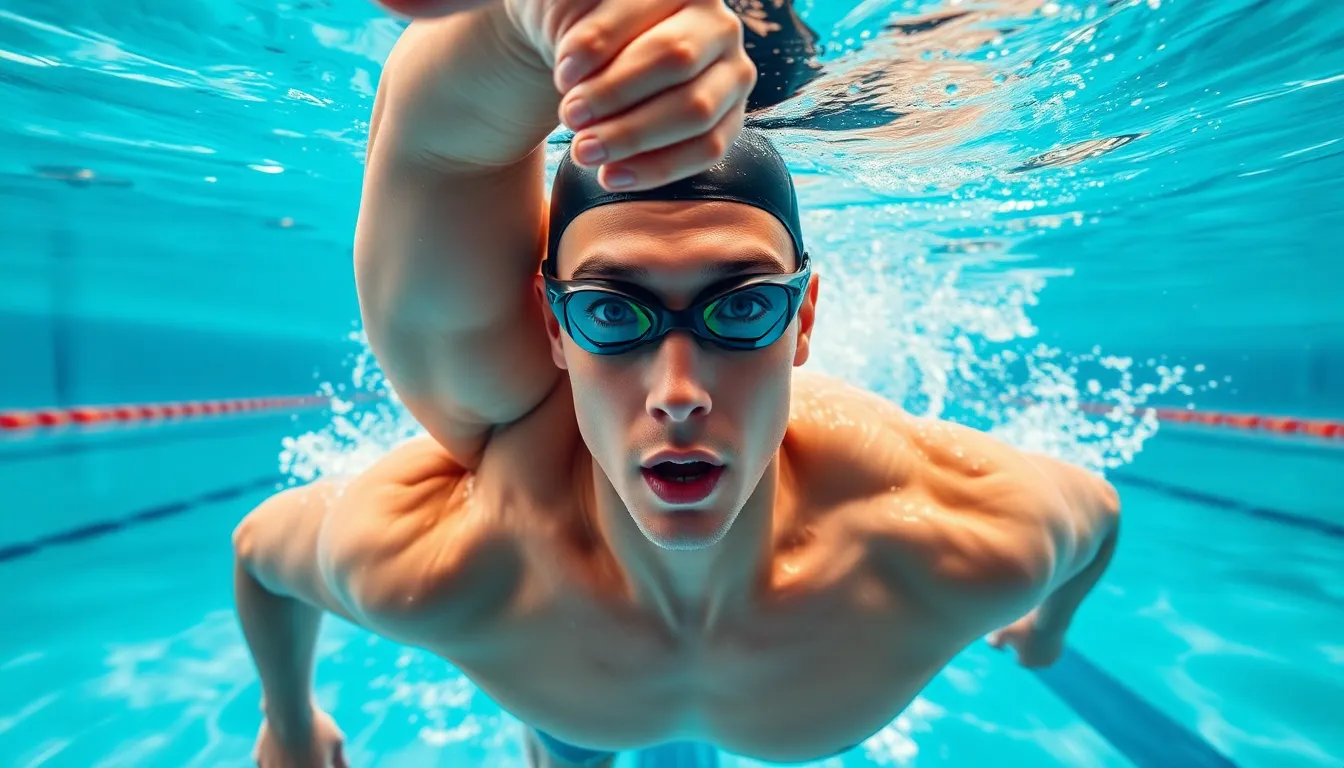
Freestyle relies on a long, streamlined body position. The head should stay neutral, looking down, not forward. The arm entry should occur in front of the shoulder with fingers entering first. A high elbow catch pulls more water and generates more power.
Kicking should come from the hips, not the knees. Tight, quick kicks maintain body position without wasting energy. Over-kicking is a common mistake that exhausts swimmers before they finish their workout.
Backstroke Tips
Backstroke swimmers often struggle with straight-line swimming. Focusing on consistent body rotation helps. The shoulders should roll with each stroke while the head stays still, eyes fixed on a point on the ceiling or sky.
The pinky finger enters the water first on backstroke. This hand position sets up a stronger pull. Swimmers should also keep their hips high, a sagging midsection creates drag.
Breaststroke Efficiency
Breaststroke is the slowest competitive stroke, but proper timing makes a huge difference. The pull, breath, kick, and glide should happen in sequence, not simultaneously. Many swimmers rush through the glide phase, losing the momentum their kick generated.
A narrow, fast kick outperforms a wide, slow one. The feet should snap together at the end of each kick to maximize thrust.
Butterfly Power
Butterfly demands coordination and strength. Both arms move together, and both legs kick as one unit. The undulating body motion, often called the dolphin kick, drives the stroke.
Swimmers should press their chest down as their hands enter, then press their hips down as their hands exit. This creates the wave-like motion that makes butterfly efficient. Keeping the kick small and fast prevents energy waste.
Building Endurance and Pacing
Speed means nothing without the endurance to maintain it. Smart swimming strategies include structured training that builds aerobic capacity and teaches proper pacing.
Interval Training
Interval training alternates between high-intensity efforts and recovery periods. A swimmer might complete ten 100-meter swims with 20 seconds rest between each. This type of training improves cardiovascular fitness and teaches the body to recover quickly.
Short intervals (25-50 meters) develop speed. Longer intervals (200-400 meters) build endurance. A balanced training plan includes both.
Negative Splitting
Negative splitting means swimming the second half of a race or workout faster than the first half. This strategy prevents early burnout and often produces faster overall times.
To practice negative splitting, swimmers should start at a controlled pace and gradually increase speed. It feels counterintuitive at first, the instinct is to go fast early, but the results speak for themselves.
Pace Awareness
Knowing one’s pace per 100 meters is essential. Swimmers should track their times during practice and learn how different effort levels feel. This awareness allows them to execute race strategies precisely.
Using a pace clock during workouts builds this skill. Swimmers learn to hit specific intervals consistently, which translates directly to race performance.
Mental Strategies for Competitive and Recreational Swimmers
The mental side of swimming often determines success. Physical training prepares the body, but mental swimming strategies prepare the mind.
Visualization
Visualization involves mentally rehearsing a race or workout before it happens. Swimmers picture themselves executing perfect technique, hitting their splits, and touching the wall first. Research shows that visualization activates the same neural pathways as physical practice.
The most effective visualization is detailed. Swimmers should imagine the sound of the starting buzzer, the feel of the water, and the sensation of their muscles working. The more vivid the mental image, the stronger the benefit.
Goal Setting
Clear goals provide direction and motivation. Short-term goals might include improving a 100-meter time by two seconds. Long-term goals might involve qualifying for a championship meet.
Goals should be specific and measurable. “Swim better” is vague. “Drop my 200 freestyle time to 2:05 by June” gives a swimmer something concrete to pursue.
Managing Race Anxiety
Pre-race nerves affect almost every swimmer. Some anxiety actually helps, it sharpens focus and releases adrenaline. Too much anxiety, but, causes tension and poor performance.
Deep breathing calms the nervous system. Swimmers can also develop pre-race routines that create a sense of control and familiarity. Listening to specific music, doing the same warm-up, or repeating a personal mantra all help.
Staying Present
During a race, thoughts about the outcome create distraction. Effective swimmers focus on the current stroke, the current breath, and the current lap. This present-moment focus eliminates mental clutter and allows peak performance.