Table of Contents
ToggleSwimming ideas can transform a routine lap session into something people actually look forward to. Whether someone swims for fitness, relaxation, or pure fun, fresh approaches keep the experience exciting. Many swimmers fall into the same patterns, same strokes, same pool, same routine. That gets boring fast.
This guide covers practical swimming ideas for every interest level. From pool games that work for kids and adults alike to open water adventures that offer a change of scenery, there’s something here for everyone. Readers will also find workout suggestions, stroke-learning techniques, and tips for building a lasting swimming habit. Time to immerse.
Key Takeaways
- Fresh swimming ideas—like pool games, open water adventures, and structured workouts—keep your routine exciting and prevent boredom.
- Interval training and pyramid sets are highly effective swimming ideas for building endurance and improving cardiovascular fitness.
- Break new strokes into smaller components and use video analysis to master technique without feeling overwhelmed.
- Open water swimming offers unique experiences, but always swim with a buddy and research safe locations beforehand.
- Schedule specific swim times, prepare gear in advance, and find an accountability partner to build a lasting swimming habit.
- Joining a masters swim program provides coaching, structure, and social connections for swimmers of all skill levels.
Fun Pool Games for All Ages
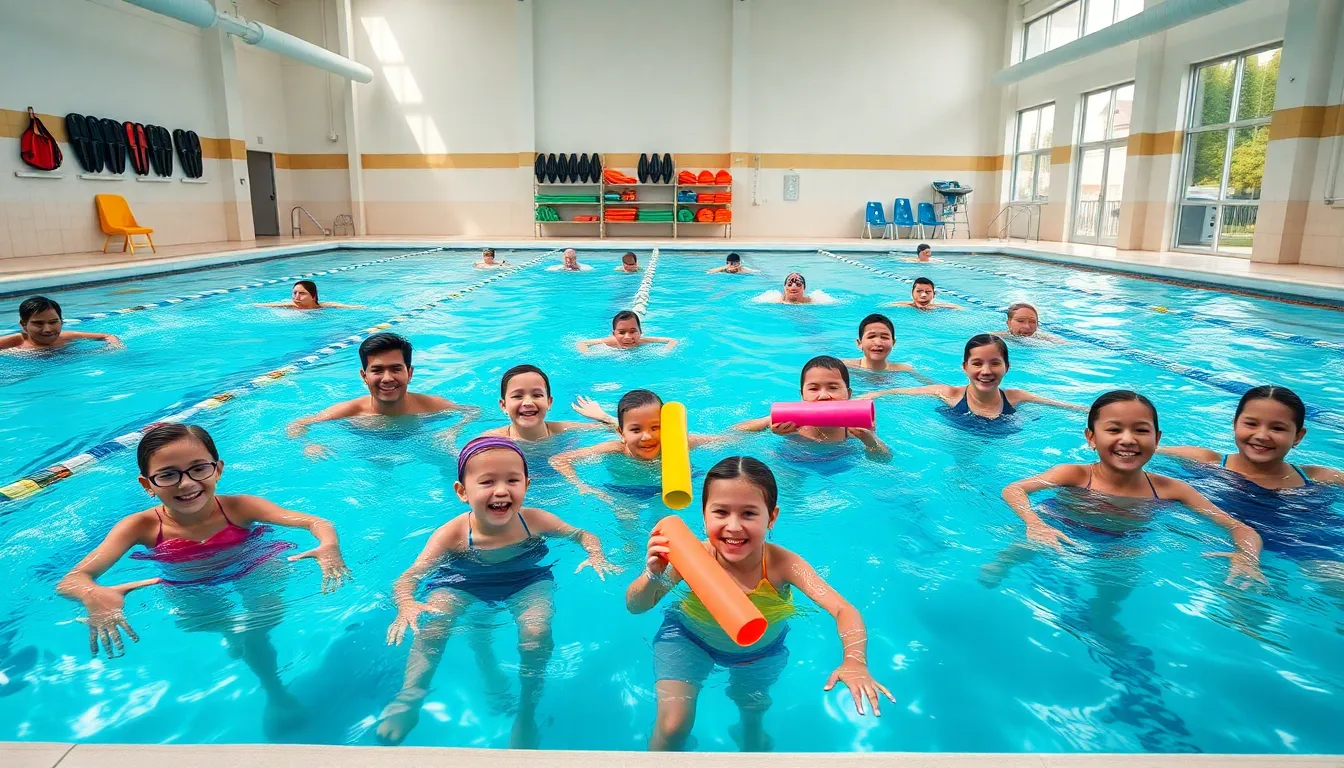
Pool games turn any swim session into a social event. They work equally well for family gatherings, birthday parties, or casual hangouts with friends.
Marco Polo remains a classic for good reason. One person closes their eyes and calls out “Marco” while others respond “Polo.” The blindfolded swimmer tries to tag someone based on sound alone. Simple rules make this game accessible to swimmers of all skill levels.
Treasure hunts add excitement for younger swimmers. Toss weighted diving toys or coins to the bottom and let kids race to collect them. This swimming idea builds confidence in going underwater while keeping children engaged.
Relay races bring out competitive spirits. Teams line up at one end of the pool and race to complete laps. Variations include using kickboards only, swimming backward, or carrying a ball above water. These races work well for swim teams practicing together or families wanting organized fun.
Sharks and Minnows gets everyone moving. One “shark” starts in the middle of the pool while “minnows” try to swim across without getting tagged. Tagged swimmers become sharks. The last minnow standing wins.
For adults seeking swimming ideas with more challenge, try water volleyball or basketball. Floating nets and hoops are affordable and easy to set up. These games provide solid workouts without feeling like exercise.
Pool noodle jousting offers laughs for all ages. Two swimmers sit on pool floats and try to knock each other off using foam noodles. It sounds silly because it is, and that’s the point.
Effective Swimming Workouts to Try
Swimming workouts burn calories, build endurance, and strengthen muscles without stressing joints. The key lies in structure. Random laps get stale quickly, but planned workouts deliver results and keep swimmers motivated.
Interval training ranks among the most effective swimming ideas for fitness. Swim one lap at maximum effort, then recover with an easy lap. Repeat this pattern for 20-30 minutes. Intervals improve cardiovascular health faster than steady-pace swimming.
Pyramid sets add variety to any workout. Start with one lap, rest briefly, then swim two laps. Continue adding laps until reaching a peak (usually four or five), then work back down. This structure challenges both speed and endurance.
Kick-focused workouts target leg muscles specifically. Grab a kickboard and complete sets using flutter kicks, dolphin kicks, or breaststroke kicks. Thirty minutes of focused kicking burns significant calories while building lower body strength.
Pull sets isolate the upper body. Place a pull buoy between the thighs to keep legs floating, then swim using only arm strokes. This swimming idea helps develop shoulder and back muscles while improving stroke technique.
For those short on time, HIIT swimming works wonders. Swim as fast as possible for 30 seconds, rest for 30 seconds, and repeat eight to ten times. A complete HIIT session takes under 15 minutes but delivers impressive fitness benefits.
Mixed-stroke workouts prevent boredom and work different muscle groups. Swim one lap freestyle, one backstroke, one breaststroke, and one butterfly. Repeat the cycle for a full-body workout that keeps things interesting.
Tracking progress matters. Many swimmers use waterproof fitness watches or simply count laps mentally. Seeing improvement over weeks and months provides powerful motivation to continue.
Creative Ways to Learn New Strokes
Learning new strokes expands swimming abilities and prevents workout plateaus. Most people stick with freestyle because it feels natural, but other strokes offer unique benefits and challenges.
Break strokes into components. Butterfly intimidates many swimmers, but it becomes manageable when practiced in pieces. First, master the dolphin kick against the wall. Next, practice the arm motion while standing. Finally, combine both elements in the water. This approach works for any stroke.
Use video analysis as a learning tool. Record swimming sessions with a waterproof camera or have a friend film from the pool deck. Watching footage reveals form issues that feel invisible during the swim. Compare personal recordings to tutorial videos from professional coaches.
Drills target specific skills. For backstroke improvement, try single-arm drills where one arm stays at the side while the other completes full strokes. Catch-up drill helps freestyle swimmers by requiring one hand to touch the other before beginning the next stroke. These swimming ideas build muscle memory for correct technique.
Fins accelerate learning. Swim fins provide extra propulsion, allowing beginners to focus on arm movements without worrying about forward momentum. They’re particularly helpful when learning butterfly or improving kick technique.
Take a lesson. Even experienced swimmers benefit from professional instruction. A qualified coach spots problems immediately and provides personalized corrections. Many community pools offer adult swim lessons at reasonable rates.
Practice with patience. New strokes feel awkward at first. That’s normal. Consistent practice over several weeks produces noticeable improvement. Swimming ideas that challenge current abilities lead to growth, even when progress seems slow initially.
Open Water Swimming Adventures
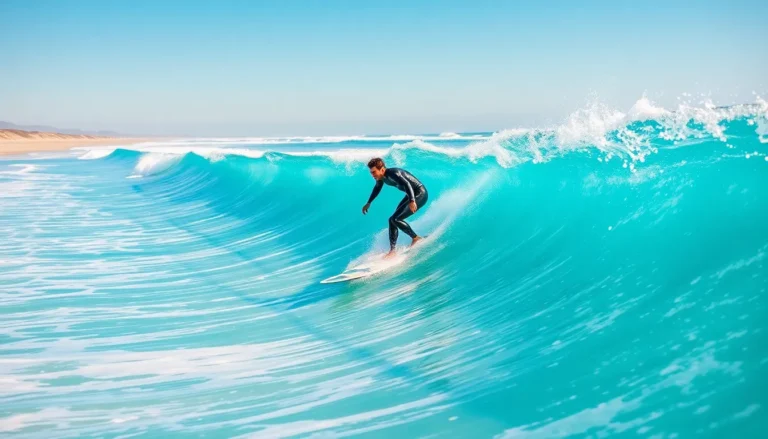
Open water swimming offers experiences that pools simply cannot match. Lakes, oceans, and rivers provide natural settings that refresh both body and mind.
Research locations carefully. Safe open water spots have lifeguards, clear entry points, and manageable currents. Local swimming clubs often know the best locations in any area. Online forums and apps like Swimply help swimmers discover new spots.
Start with calm conditions. Beginners should choose protected areas like small lakes or calm bays. Ocean swimming requires more experience due to waves, currents, and changing conditions. Build skills gradually before attempting challenging environments.
Never swim alone. Open water swimming carries inherent risks. Always bring a buddy or join an organized group. Brightly colored swim caps and tow floats increase visibility to boaters and make swimmers easier to locate in emergencies.
Adjust technique for conditions. Pool swimmers often struggle with sighting, lifting the head periodically to check direction. Practice this skill before open water swims. Bilateral breathing (alternating sides) helps swimmers adapt to waves coming from different directions.
Temperature matters. Open water temperatures vary widely. Wetsuits extend the swimming season in cooler climates and provide buoyancy benefits. Acclimate slowly to cold water rather than jumping in suddenly.
These swimming ideas connect people with nature in meaningful ways. Watching the sunrise during an early morning lake swim or spotting marine life in clear ocean water creates memories that last far longer than any pool workout.
Consider organized events. Open water races and charity swims happen throughout the summer in most regions. These events provide goals to train toward and connect swimmers with like-minded enthusiasts.
Tips for Making Swimming a Regular Habit
Good swimming ideas mean nothing without consistent practice. Building a lasting habit requires strategy, not just willpower.
Schedule specific swim times. Vague intentions like “I’ll swim more” rarely produce results. Pick exact days and times, then protect those slots like important appointments. Morning swimmers often find fewer crowds and more available lanes.
Prepare gear the night before. Pack a swim bag with goggles, cap, towel, and suit. Remove friction from the process. When everything sits ready by the door, skipping a session becomes harder to justify.
Find a swim buddy. Accountability partners dramatically increase consistency. Knowing someone waits at the pool provides powerful motivation on days when the couch looks more appealing. Many swimmers meet regular partners through local clubs or pool bulletin boards.
Set realistic goals. New swimmers who commit to five days weekly often burn out within a month. Start with two sessions per week and add more as the habit solidifies. Sustainable swimming ideas focus on consistency over intensity.
Track progress visibly. A simple calendar with check marks for completed swims creates a visual streak worth maintaining. Apps designed for habit tracking work well too. Seeing accumulated effort reinforces commitment.
Reward milestones. After one month of consistent swimming, celebrate with new goggles or a nice meal. Small rewards acknowledge effort and create positive associations with the habit.
Join a masters swim program. These adult swimming groups welcome all skill levels, not just competitive athletes. Structured workouts, coaching, and social connections make swimming more engaging. Most communities have programs with flexible schedules.
Accept imperfect weeks. Life interferes sometimes. Missing a session doesn’t erase progress or mean failure. The goal involves long-term consistency, not perfection. Return to the pool at the next scheduled time without guilt.