Table of Contents
ToggleSwimming for beginners can feel overwhelming at first. The pool looks deep, the strokes seem complicated, and everyone else appears to know exactly what they’re doing. But here’s the truth: every strong swimmer once stood at the edge of the pool, unsure of how to begin.
Learning to swim is one of the most valuable skills a person can develop. It offers physical benefits, mental rewards, and could even save a life one day. This guide covers everything new swimmers need to know, from essential gear to basic techniques to building lasting confidence in the water.
Key Takeaways
- Swimming for beginners starts with mastering floating and relaxation before attempting any strokes.
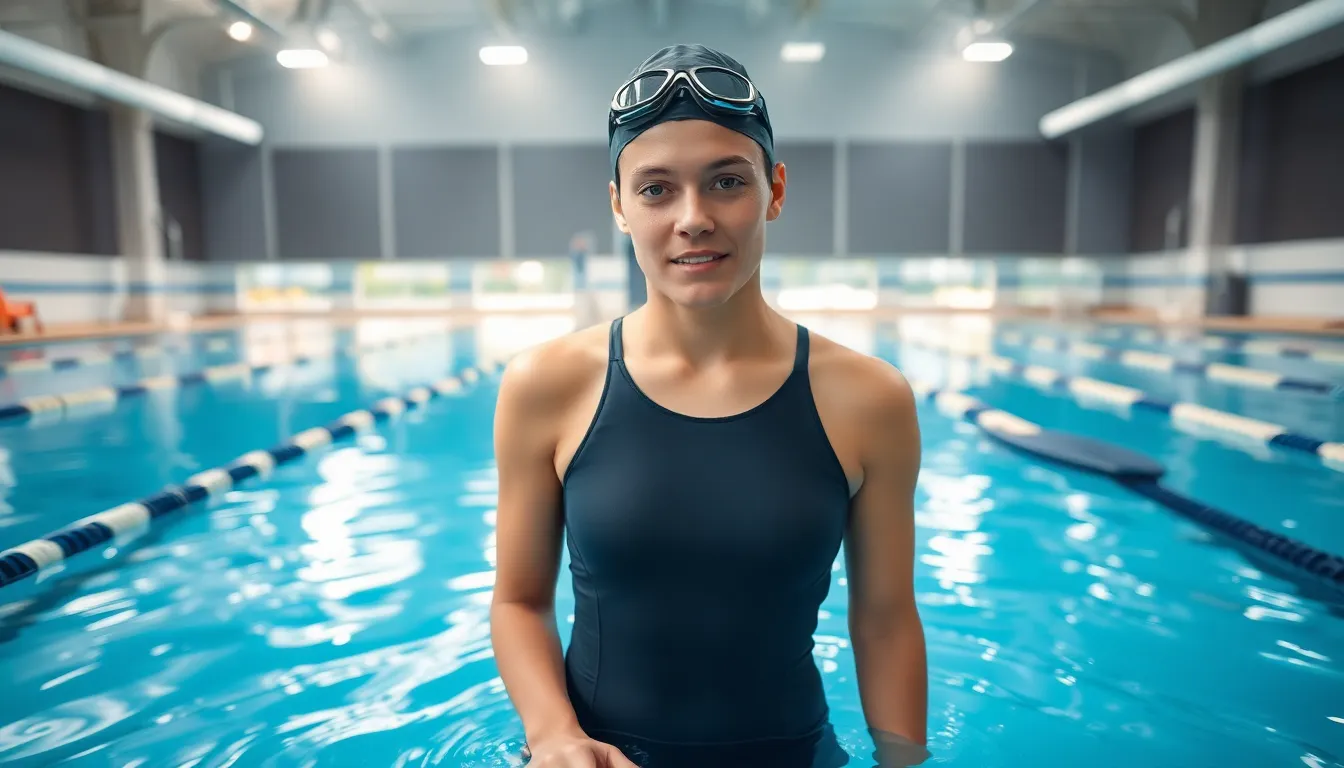
- Essential gear includes a well-fitting swimsuit, comfortable goggles, and a swim cap to reduce distractions while learning.
- The freestyle stroke is the most practical first stroke to learn because it’s efficient and forms the basis for other techniques.
- Overcoming fear of water requires gradual exposure, starting in shallow areas and practicing breathing exercises.
- Consistency beats intensity—aim for two to three short pool sessions per week to build confidence and endurance steadily.
- Working with a qualified instructor helps beginners avoid bad habits and progress faster with professional guidance.
Benefits of Learning to Swim
Swimming delivers a full-body workout without the joint stress of running or weight training. The water supports body weight, making it an ideal exercise for people of all ages and fitness levels. Beginners often notice improved cardiovascular health, increased muscle tone, and better flexibility within weeks of consistent practice.
Beyond physical fitness, swimming provides significant mental health benefits. The rhythmic nature of strokes and breathing creates a meditative effect. Many swimmers report reduced stress, improved sleep, and enhanced mood after regular pool sessions.
Safety is another critical reason to learn. Drowning remains a leading cause of accidental death worldwide. Swimming skills can protect individuals and give them the ability to help others in water emergencies. For families with children, this benefit alone makes swimming for beginners a priority.
Social opportunities also expand. Beach trips, pool parties, and water sports become accessible activities rather than sources of anxiety. Swimmers can participate fully in summer gatherings and vacation adventures.
Essential Gear for New Swimmers
Starting out requires minimal equipment, but the right gear makes a real difference. A well-fitting swimsuit tops the list. For women, one-piece suits offer better coverage and stay in place during movement. Men typically choose jammers or swim briefs designed for lap swimming.
Goggles protect eyes from chlorine and improve underwater visibility. New swimmers should try several pairs to find a comfortable fit. Look for adjustable straps and anti-fog lenses. Leaky goggles distract from learning and cause frustration.
A swim cap keeps hair out of the face and reduces drag. Silicone caps last longer than latex versions and cause less pulling. Even short-haired swimmers benefit from wearing one.
Kickboards and pull buoys help beginners isolate specific movements. A kickboard supports the upper body while practicing leg techniques. A pull buoy does the opposite, it floats between the thighs so swimmers can focus on arm strokes.
Many pools provide these training aids, so check before purchasing. But, owning personal equipment ensures hygiene and availability whenever needed.
Basic Swimming Techniques to Master First
Floating forms the foundation of all swimming skills. Before attempting strokes, beginners should practice floating on their back and stomach. Relaxation is key, tense muscles cause the body to sink. Take a deep breath, spread arms and legs slightly, and let the water do its job.
The freestyle stroke (also called front crawl) is typically the first stroke taught. It involves alternating arm movements with a flutter kick. Keep the body horizontal, face down in the water, and turn the head to breathe every two or three strokes. Many swimming for beginners programs start here because freestyle is efficient and practical.
Breathing technique separates struggling swimmers from comfortable ones. Exhale underwater through the nose or mouth, then inhale quickly when the face clears the surface. Holding breath creates tension and exhaustion. Proper breathing feels unnatural at first but becomes automatic with practice.
The backstroke offers an easier breathing option since the face stays above water. Lie flat on the back, kick steadily, and alternate arm movements in a windmill pattern. This stroke builds confidence for beginners who struggle with face-down positions.
Kick Technique
Effective kicking starts from the hips, not the knees. The flutter kick uses small, rapid movements with pointed toes. Large, splashy kicks waste energy and slow progress. Practice kicking while holding the pool edge before combining it with arm strokes.
Overcoming Fear of the Water
Fear of water is common and nothing to feel embarrassed about. Many adults carry this anxiety from childhood experiences or simply lack exposure to swimming environments. Addressing fear directly leads to faster progress than ignoring it.
Start in shallow water where standing is always possible. Walk around, splash, and get comfortable with the sensation. Gradually move to chest-deep areas while maintaining contact with the pool wall or a partner.
Breathing exercises reduce panic responses. Practice putting only the face in water while exhaling bubbles. Count to three, then lift the head. Repeat until this feels normal. Progress to full submersion for short periods.
Swimming lessons with a qualified instructor provide structure and professional guidance. Instructors recognize fear signals and know how to address them. They also prevent beginners from developing bad habits that become difficult to correct later.
For those with severe water anxiety, private lessons offer a more comfortable setting than group classes. The one-on-one attention allows instructors to move at whatever pace the student needs.
Tips for Building Confidence and Endurance
Consistency matters more than intensity. Swimming for beginners works best with regular, shorter sessions rather than occasional long ones. Aim for two to three pool visits per week, each lasting 20 to 30 minutes initially.
Set small, achievable goals. Swimming one length without stopping might be the first target. Then two lengths. Then five. Each milestone builds confidence and proves progress is happening.
Rest between laps without guilt. Endurance develops over time, and pushing too hard leads to exhaustion and discouragement. Most beginners need 30 to 60 seconds of rest after each lap during early sessions.
Tracking progress helps maintain motivation. Note how many laps were completed, how breathing felt, and what techniques improved. Looking back at early entries reveals just how far the swimmer has come.
Swimming with others provides accountability and makes sessions more enjoyable. Find a friend at a similar skill level or join a beginner adult swim group. Many community pools offer these programs specifically for new swimmers.
Finally, patience is essential. Nobody becomes a strong swimmer overnight. The body needs time to adapt to water resistance, breathing patterns, and new movement sequences. Trust the process.