Table of Contents
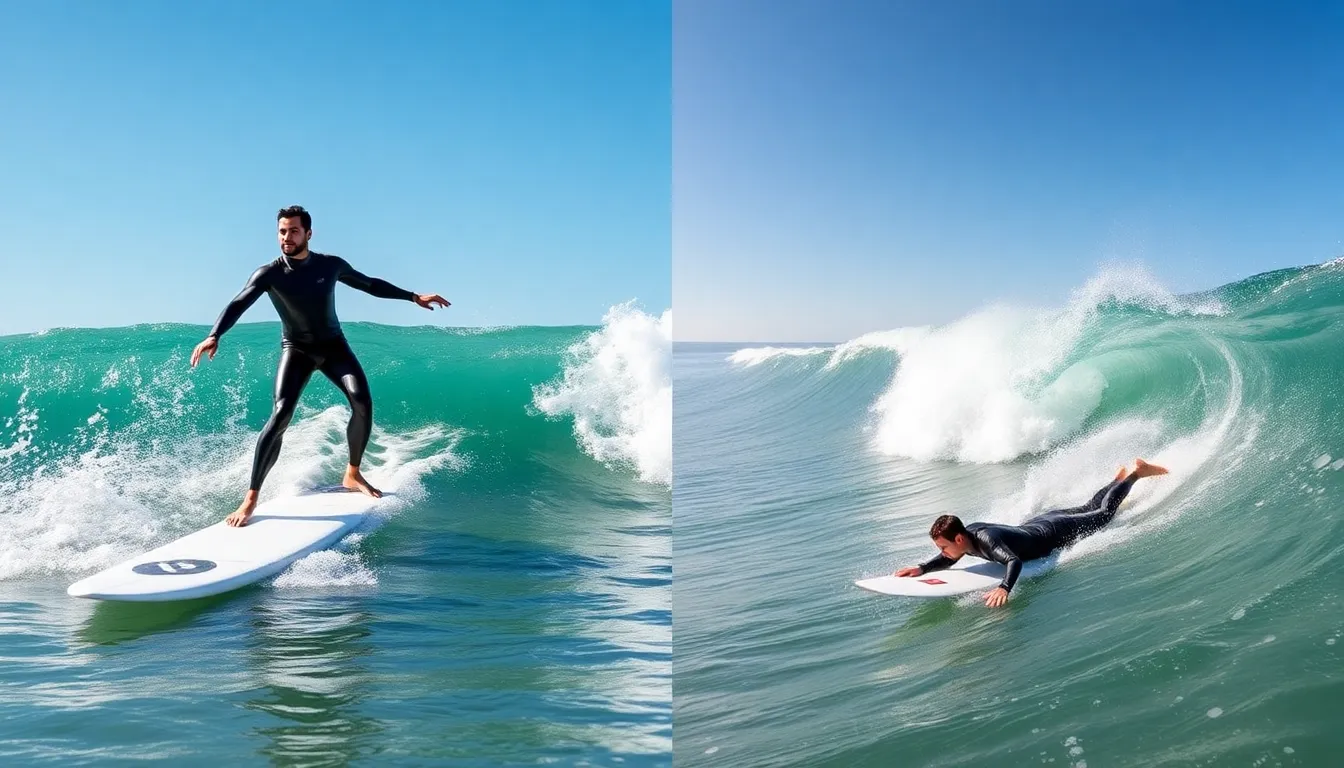
ToggleSurfing vs bodyboarding, it’s a debate that’s sparked friendly arguments on beaches for decades. Both sports let riders harness ocean waves, but they deliver completely different experiences. Surfing puts athletes upright on a board, while bodyboarding keeps them prone or drop-knee on a shorter foam board. Each sport has its own culture, equipment requirements, and skill progression. This guide breaks down the key differences between surfing and bodyboarding. By the end, readers will know which water sport fits their goals, fitness level, and beach lifestyle.
Key Takeaways
- Surfing vs bodyboarding comes down to body position—surfers stand upright while bodyboarders ride prone or drop-knee on shorter foam boards.
- Bodyboarding offers faster learning (most catch waves within 30 minutes) and lower startup costs ($150-$500 vs $400-$1,000 for surfing).
- Surfing builds upper body strength through paddling, while bodyboarding emphasizes leg conditioning from fin kicking.
- Surfing has a steeper learning curve, often taking weeks or months to master the pop-up, but delivers deeper long-term skill progression.
- Many ocean enthusiasts enjoy both sports—bodyboarding on smaller days and surfing when conditions favor standing rides.
Understanding the Basics of Each Sport
Surfing and bodyboarding share the same playground, the ocean, but the riding styles differ significantly.
What Is Surfing?
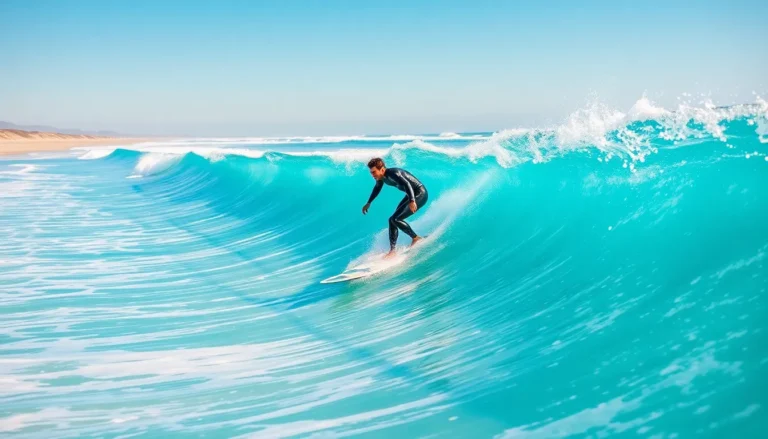
Surfing involves standing upright on a fiberglass or epoxy board while riding waves toward shore. Surfers paddle out, wait for a suitable wave, then pop up to their feet in one fluid motion. The sport emphasizes balance, timing, and wave reading. Professional surfers perform aerial maneuvers, barrel rides, and carved turns at high speeds.
Surfing traces its roots to ancient Polynesia, where it held spiritual significance. Today, surfing vs other water sports debates often center on its cultural cachet and Olympic recognition (it debuted at the 2020 Tokyo Games).
What Is Bodyboarding?
Bodyboarding (also called boogie boarding) uses a shorter, rectangular foam board. Riders lie on their stomachs or adopt a drop-knee stance. They wear swim fins for propulsion and control. The prone position keeps the center of gravity low, making it easier to catch waves.
Bodyboarding emerged in the 1970s when Tom Morey invented the first commercial bodyboard. The sport has grown into a competitive discipline with its own world tour and dedicated following.
Surfing vs Bodyboarding: Core Differences
The primary distinction lies in body position. Surfers stand: bodyboarders stay horizontal or semi-prone. This single difference affects everything from wave selection to trick execution. Surfing vs bodyboarding comparisons also reveal different relationships with the wave face, bodyboarders often ride deeper inside barrels because their lower profile allows it.
Equipment and Gear Comparison
Gear requirements play a major role in the surfing vs bodyboarding decision. Here’s what each sport demands.
Surfing Equipment
- Surfboard: Prices range from $300 for beginner foam boards to $800+ for performance shortboards. Longboards, fish boards, and funboards offer different riding experiences.
- Leash: A urethane cord connects the surfer’s ankle to the board ($20-$40).
- Wax: Applied to the deck for traction ($3-$5 per bar).
- Wetsuit: Necessary in cold water ($100-$500 depending on thickness).
Total startup cost for surfing typically runs $400-$1,000.
Bodyboarding Equipment
- Bodyboard: Quality boards cost $80-$300. Beginners can start with basic models under $100.
- Swim Fins: Essential for kicking into waves and maneuvering ($30-$80).
- Fin Leash: Keeps fins attached to ankles ($10-$20).
- Wetsuit: Same considerations as surfing.
Bodyboarding startup costs usually fall between $150-$500.
When comparing surfing vs bodyboarding equipment, bodyboarding wins on affordability and portability. A bodyboard fits in most car trunks without roof racks. Surfboards require more storage space and transportation planning.
Learning Curve and Accessibility
How quickly can someone get riding? This question matters for beginners weighing surfing vs bodyboarding.
Bodyboarding: Faster to Learn
Most people catch their first wave within 30 minutes of trying bodyboarding. The learning curve stays gentle because:
- Lying prone maintains stability
- Fins provide easy propulsion
- No pop-up technique required
- Smaller boards are easier to control
Bodyboarding works well for families, casual beachgoers, and anyone who wants immediate wave-riding satisfaction. Kids as young as five can enjoy the sport safely.
Surfing: Steeper Learning Curve
Surfing demands more time investment. The pop-up alone, transitioning from paddling to standing, takes most beginners weeks or months to master. Surfers must also develop:
- Paddle fitness and endurance
- Wave reading skills
- Balance on an unstable platform
- Timing for takeoffs
Many surfers spend their first 10-20 sessions just learning to stand consistently. But, this challenge creates the sport’s sense of achievement. Landing that first real wave feels like a genuine accomplishment.
Surfing vs Bodyboarding for Beginners
Bodyboarding offers faster gratification. Surfing rewards patience with deeper skill progression. Both sports have professional circuits and advanced techniques that take years to master. The “easier” label for bodyboarding only applies to initial learning, high-level bodyboarding requires serious athleticism.
Physical Demands and Fitness Benefits
Both sports deliver solid workouts, but they target the body differently.
Surfing Fitness Benefits
Surfing builds full-body strength. Paddling develops back, shoulder, and arm muscles. The pop-up engages core and leg power. Riding waves requires constant balance adjustments, strengthening stabilizer muscles throughout the body.
A 155-pound person burns approximately 200-300 calories per hour while surfing. Sessions often last 1-3 hours, making surfing an effective cardio workout.
Surfing also demands flexibility. Hip mobility helps with pop-ups, while shoulder flexibility prevents paddling injuries.
Bodyboarding Fitness Benefits
Bodyboarding emphasizes lower body conditioning. Kicking with fins builds leg and glute strength. Core muscles engage constantly to steer the board and hold position on the wave face.
Calorie burn runs similar to surfing, around 200-400 calories per hour depending on wave conditions and effort level. The sport proves easier on shoulders than surfing since it requires less paddling.
Which Sport Is More Demanding?
Surfing vs bodyboarding fitness comparisons favor surfing for upper body development. Bodyboarding edges ahead for leg conditioning. Both sports improve cardiovascular health, balance, and ocean awareness.
People with shoulder issues may prefer bodyboarding. Those wanting a full-body workout often gravitate toward surfing.
Which Water Sport Should You Choose
Choosing between surfing vs bodyboarding depends on personal priorities. Here’s a quick decision framework.
Choose Bodyboarding If:
- Budget matters, lower equipment costs
- Quick learning sounds appealing
- Physical limitations affect standing or balancing
- Traveling light is important
- The goal is casual fun rather than lifestyle commitment
Choose Surfing If:
- Long-term skill development sounds exciting
- Standing on waves matters personally
- Upper body fitness is a priority
- The surfing culture and community appeal
- Time and patience for learning aren’t issues
Why Not Both?
Many ocean lovers do both sports. Bodyboarding works great on smaller days or when wave conditions favor prone riding. Surfing shines on clean, lined-up swells. Having both options maximizes time in the water.
The surfing vs bodyboarding debate doesn’t require picking a permanent side. Try both, see what feels natural, and follow the stoke wherever it leads.