Table of Contents
ToggleSurfing trends 2026 are shaping up to redefine how people ride waves, where they ride them, and what gear they use. The sport continues to grow beyond its coastal roots, attracting millions of new participants each year. From artificial wave pools popping up in landlocked cities to eco-conscious board designs, the surfing industry is evolving fast.
This year promises significant shifts in technology, sustainability, and accessibility. Surfers can expect smarter gear, greener equipment, and more welcoming communities than ever before. Whether someone is a seasoned pro or just getting started, understanding these surfing trends 2026 will help them stay ahead of the curve.
Key Takeaways
- Wave pools are becoming mainstream in surfing trends 2026, bringing consistent, rideable waves to landlocked cities like Austin, London, and Tokyo.
- Sustainable surfboards made from recycled materials, plant-based resins, and algae-derived foam are replacing traditional petroleum-based designs.
- Wearable tech, smart fins, and AI-powered coaching tools are helping surfers track performance and improve faster than ever.
- Emerging surf destinations like Morocco, the Philippines, and Senegal offer quality waves with fewer crowds than traditional hotspots.
- Inclusive surfing communities are expanding through programs targeting underrepresented groups, adaptive surfing for people with disabilities, and increased support for women and youth.
- Surfing trends 2026 indicate that sustainability, accessibility, and technology will define the sport’s continued global growth.
Wave Pool Surfing Gains Mainstream Momentum
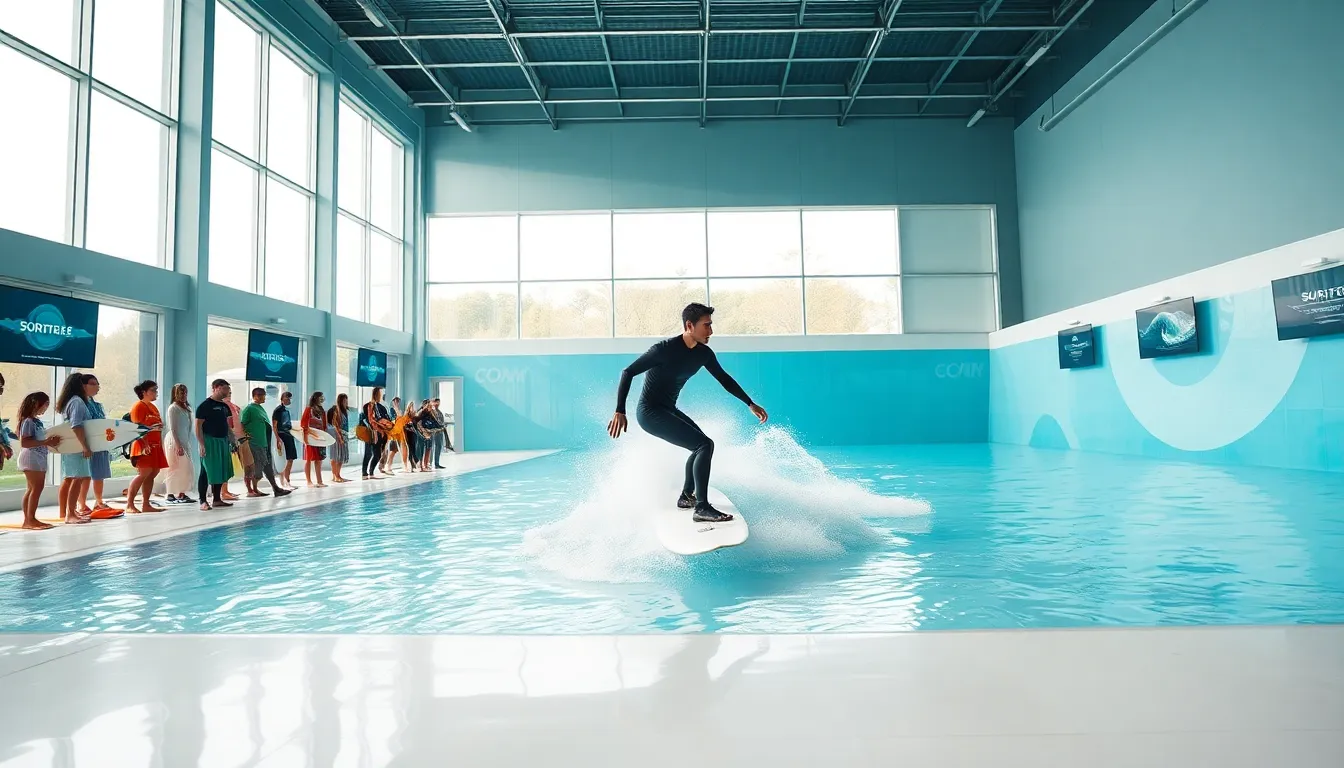
Wave pools are no longer a novelty, they’re becoming a core part of surfing culture. In 2026, these artificial surf venues are expanding rapidly across North America, Europe, and Asia. Cities like Austin, London, and Tokyo now host world-class wave facilities that deliver consistent, rideable waves on demand.
The appeal is obvious. Wave pools remove the unpredictability of ocean surfing. Beginners can practice in controlled conditions without worrying about rip currents or crowded lineups. Advanced surfers benefit too, using these facilities to perfect specific maneuvers with repetitive, identical waves.
Kelly Slater’s Surf Ranch paved the way, but newer entrants are pushing the technology further. Companies like Wavegarden and American Wave Machines have refined their systems to produce various wave types, from gentle rollers to barreling tubes. Some facilities now offer night sessions with underwater lighting, making surfing a 24-hour activity.
This shift has real implications for surfing trends 2026. Competition organizers are scheduling more events at wave pools, ensuring fair conditions for all athletes. The World Surf League has already incorporated pool events into its championship tour. For recreational surfers, these venues lower the barrier to entry significantly. No ocean access? No problem.
Wave pool memberships and day passes have become popular gifts and corporate team-building activities. The surfing community is growing in places where it never existed before. Landlocked states like Colorado and Nebraska now have active surf scenes, all thanks to artificial wave technology.
Sustainable Surfboards and Eco-Friendly Gear
Sustainability has moved from a niche concern to a central focus in surfing trends 2026. Traditional surfboards rely heavily on petroleum-based foams and toxic resins. That’s changing quickly as manufacturers embrace greener alternatives.
Brands like Firewire, Haydenshapes, and smaller craft shapers now offer boards made from recycled materials, plant-based resins, and sustainably sourced wood. Some companies use algae-derived foam blanks that capture carbon during production. Others incorporate recycled fishing nets and ocean plastics into their construction.
Wetsuits have also gotten a sustainability upgrade. Neoprene, the standard wetsuit material, comes from petroleum. In response, brands like Patagonia and Vissla have developed suits using natural rubber from rubber trees, limestone-based neoprene alternatives, and recycled materials. These options perform just as well as traditional wetsuits while reducing environmental impact.
Surf wax is another area seeing innovation. Conventional wax contains paraffin, a petroleum byproduct. Eco-friendly alternatives now use beeswax, coconut oil, and tree resins. They grip just as effectively and don’t leave toxic residue in the water.
Surfers themselves are driving this demand. Surveys show that a majority of active surfers prefer to buy from environmentally responsible brands, even if products cost slightly more. This consumer pressure has accelerated industry-wide change.
Surfing trends 2026 indicate that sustainability isn’t a passing fad. It’s becoming the standard. Brands that fail to address their environmental footprint risk losing customers to competitors who take these concerns seriously.
Technology Shaping the Modern Surfer Experience
Technology is transforming how surfers train, track performance, and connect with the ocean. Surfing trends 2026 show a surge in wearable devices, smart fins, and AI-powered coaching tools.
Smart watches designed for surfing have improved dramatically. Models from Apple, Garmin, and specialized brands like Rip Curl now track wave count, ride length, maximum speed, and paddle distance. GPS mapping shows exactly where each wave was caught. Surfers can review their sessions in detail and identify patterns in their performance.
Smart fins represent another breakthrough. These sensor-equipped fins attach to any board and measure acceleration, turning angle, and weight distribution. The data syncs to smartphone apps that provide feedback on technique. Some systems even offer real-time audio coaching through waterproof earbuds.
Forecast apps have also gotten smarter. Services like Surfline and Magic Seaweed now use machine learning to predict wave conditions with greater accuracy. Surfers receive alerts when their favorite breaks are firing, reducing wasted trips to flat or blown-out beaches.
Drone technology has changed how surfers capture footage. Autonomous drones can follow a surfer through an entire session, filming from multiple angles without requiring a pilot. The resulting footage helps with technique analysis and creates shareable content for social media.
These surfing trends 2026 make the sport more data-driven than ever. Some purists worry about over-technification, but most surfers appreciate tools that help them improve faster and spend their time in the water more effectively.
Emerging Surf Destinations to Watch
Traditional surf hotspots like Hawaii, Indonesia, and California remain popular, but surfing trends 2026 highlight several emerging destinations gaining attention.
Morocco’s Atlantic coast has become a favorite among European surfers. Towns like Taghazout and Imsouane offer consistent swells, affordable accommodation, and a laid-back atmosphere. The region provides quality waves without the crowds found at more established spots.
The Philippines continues to rise as a surf destination. Siargao Island, known for its powerful Cloud 9 break, attracts international competitors and casual visitors alike. Nearby islands offer uncrowded alternatives for those seeking solitude.
In Africa, Senegal and South Africa are drawing increased interest. Senegal’s right-hand point breaks near Dakar provide excellent waves in a culturally rich setting. South Africa’s Jeffreys Bay remains legendary, but lesser-known spots along the coast offer comparable quality with fewer people.
Closer to home, the Great Lakes region in the United States has developed a dedicated surf community. Winter storms generate surprisingly rideable waves on Lake Michigan, Lake Superior, and Lake Erie. Surfers brave cold temperatures for uncrowded freshwater sessions.
Surfing trends 2026 suggest that adventure-seeking surfers increasingly value authenticity and discovery over convenience. They’re willing to travel farther and explore less-developed coastlines to find perfect, empty waves. This shift benefits local economies in emerging destinations while spreading surfing’s cultural footprint globally.
The Rise of Inclusive Surfing Communities
Surfing has historically skewed white, male, and affluent. That’s changing as organizations work to make the sport more inclusive. Surfing trends 2026 reflect a growing emphasis on diversity, accessibility, and community building.
Programs targeting underrepresented groups have multiplied. Organizations like Black Surfing Association, Brown Girl Surf, and Textured Waves create welcoming spaces for people who might feel out of place in traditional lineups. These groups host beach days, provide equipment, and build networks of supportive surfers.
Adaptive surfing for people with disabilities has also expanded. The International Surfing Association now sanctions adaptive competitions, and local clubs offer specialized instruction. Modified boards, beach wheelchairs, and trained volunteers make the sport accessible to individuals with physical challenges.
Women’s participation continues to grow rapidly. Equal prize money at major competitions, increased media coverage of female surfers, and women-focused surf camps have all contributed to this trend. In many regions, the gender gap in surfing participation has narrowed significantly.
Youth programs bring surfing to kids who might never otherwise encounter the sport. Schools in coastal cities now include surfing in physical education curricula. Nonprofit organizations provide free lessons and loaner equipment to low-income families.
These surfing trends 2026 represent a meaningful cultural shift. The sport is becoming more representative of the diverse populations that live near coastlines. Long-time surfers largely welcome this evolution, recognizing that a more inclusive community strengthens the sport overall.