Table of Contents
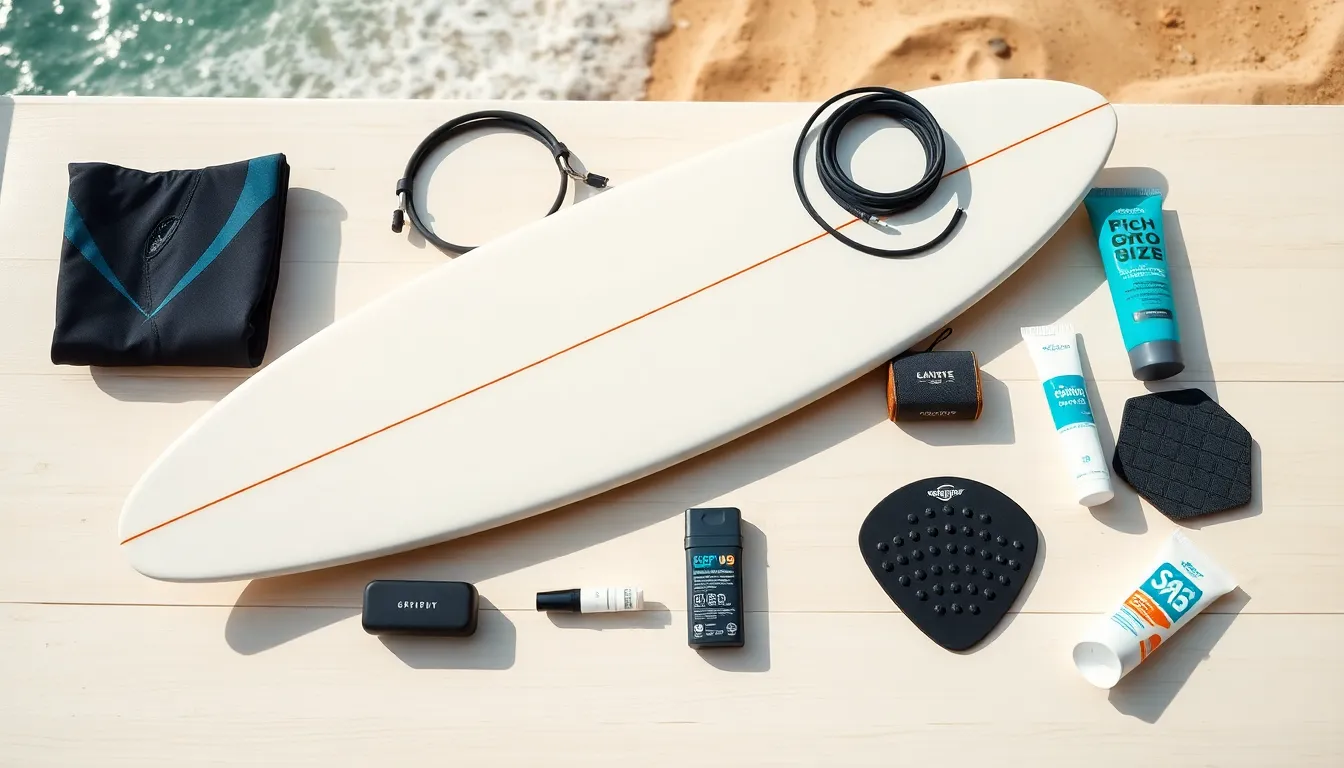
ToggleThe right surfing tools make the difference between a frustrating session and an unforgettable ride. Whether someone is catching their first whitewash or charging overhead barrels, having proper equipment matters. From boards to wetsuits to safety gear, each piece of gear serves a specific purpose. This guide covers the essential surfing tools every surfer should own. It breaks down what works, what doesn’t, and how to choose the right gear for any skill level or wave condition.
Key Takeaways
- The right surfing tools—from boards to wetsuits to safety gear—directly impact your performance and enjoyment in the water.
- Choose your surfboard based on skill level, weight, and wave conditions: longboards for beginners, shortboards for advanced surfers, and funboards for versatility.
- Wetsuit thickness should match water temperature, ranging from 2mm for warm water to 5/4mm or thicker for cold conditions below 55°F.
- Essential surfing tools like leashes, wax, and traction pads improve safety and grip—always use temperature-appropriate wax for best results.
- Keep ding repair kits and first aid supplies in your vehicle to handle emergencies and extend the life of your equipment.
- Protective gear like ear plugs and helmets prevents long-term injuries, especially for cold-water and big wave surfers.
Surfboard Types and Selection
The surfboard is the most important of all surfing tools. It determines how a surfer paddles, catches waves, and performs maneuvers. Different board types suit different skill levels and wave conditions.
Longboards
Longboards measure 9 feet or longer. They offer excellent stability and paddle power. Beginners benefit most from longboards because they make catching waves easier. These boards also shine in small, mellow surf. The extra volume keeps riders floating high and moving smoothly.
Shortboards
Shortboards typically range from 5’6″ to 6’6″ in length. They’re designed for speed, quick turns, and aerial maneuvers. Intermediate to advanced surfers prefer shortboards for punchy, hollow waves. The reduced volume demands stronger paddling and better wave-reading skills.
Funboards and Fish
Funboards (also called mid-lengths) fall between longboards and shortboards. They measure 7 to 8 feet and blend stability with maneuverability. Fish boards feature wider tails and more volume than shortboards. They excel in small to medium waves and offer a playful feel.
Foam Boards
Foam boards serve as ideal surfing tools for beginners. Their soft construction reduces injury risk during wipeouts. Many surf schools use foam boards exclusively. They’re also affordable and durable, making them great starter options.
When selecting a surfboard, surfers should consider their weight, skill level, and typical wave conditions. A local shaper or surf shop can provide personalized recommendations.
Wetsuit Essentials for Different Conditions
A quality wetsuit ranks among the most critical surfing tools for cold-water sessions. Wetsuits trap a thin layer of water against the skin. Body heat warms this water, creating insulation against cold ocean temperatures.
Wetsuit Thickness
Wetsuit thickness is measured in millimeters. The first number indicates torso thickness, while the second shows limb thickness. Common options include:
- 2mm: Warm water (70°F+), often just a spring suit
- 3/2mm: Moderate temperatures (60-70°F)
- 4/3mm: Cool water (55-62°F)
- 5/4mm or 6/5mm: Cold conditions (below 55°F)
Surfers in colder regions also add boots, gloves, and hoods to their surfing tools collection.
Wetsuit Fit
A wetsuit should fit snugly without restricting movement. Gaps let cold water flush through, defeating the purpose. Too-tight suits cause fatigue and limit paddling. Most brands offer size charts based on height and weight.
Wetsuit Care
Rinsing wetsuits with fresh water after each session extends their lifespan. Surfers should hang them in shade rather than direct sunlight. UV rays break down neoprene over time. Proper storage means hanging from the waist, not the shoulders, to prevent stretching.
Leashes, Wax, and Traction Pads
These three items complete the essential surfing tools package. Each one serves a specific function that improves safety and performance.
Surf Leashes
A surf leash connects the surfer’s ankle to the board. This prevents the board from washing to shore after a wipeout. Leashes come in different lengths, generally 1-2 feet longer than the board. Thicker leashes suit bigger waves, while thinner ones reduce drag in smaller surf. Surfers should inspect leashes regularly for wear around the rail saver and swivel.
Surf Wax
Surf wax creates grip on the deck of the board. Without it, feet slip during pop-ups and turns. Wax comes in temperature-specific formulas:
- Cold water wax (soft)
- Cool water wax
- Warm water wax
- Tropical wax (hard)
Using the wrong wax for water temperature causes problems. Cold-water wax in tropical conditions melts into a slippery mess. Surfers apply a basecoat first, then add a topcoat matching their water temperature.
Traction Pads
Traction pads offer an alternative to wax for the back foot. These foam pads stick permanently to the tail area. They provide consistent grip without reapplication. Many shortboarders prefer traction pads because they include a kick tail for better leverage during maneuvers.
Safety and Repair Gear
Smart surfers carry safety and repair surfing tools in their vehicle. These items handle emergencies and extend equipment life.
Ding Repair Kits
Ding repair kits fix cracks and holes in surfboards. Even small dings let water seep into the foam core, causing damage. A basic kit includes resin, catalyst, sandpaper, and fiberglass cloth. Solar-cure resins make quick fixes possible at the beach.
First Aid Supplies
Reef cuts, fin gashes, and jellyfish stings happen. A basic first aid kit should include:
- Antiseptic wipes
- Bandages of various sizes
- Medical tape
- Vinegar (for jellyfish stings)
- Sunscreen
Surfers who paddle out at remote breaks should carry even more comprehensive supplies.
Ear Plugs
Repeated cold water exposure causes surfer’s ear (exostosis). Bone growths narrow the ear canal over time. Quality ear plugs prevent this condition. They’re especially important surfing tools for those who surf cold water regularly.
Helmets
Helmets aren’t common in surfing, but they serve a purpose. Big wave surfers, reef surfers, and those learning in crowded conditions benefit from head protection. Modern surf helmets are lightweight and don’t restrict vision.