Table of Contents
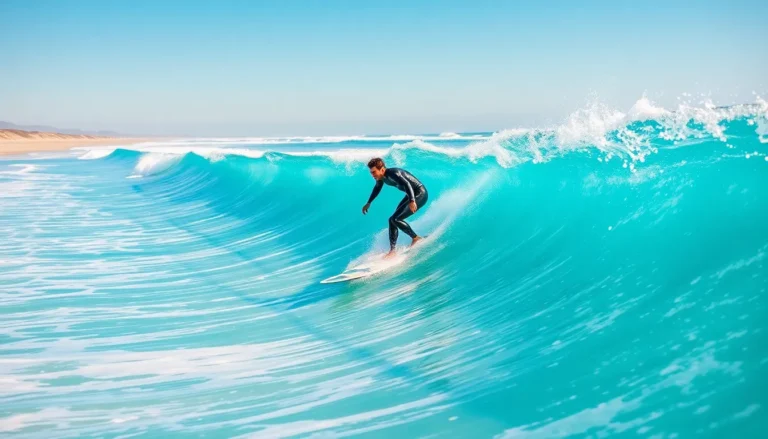
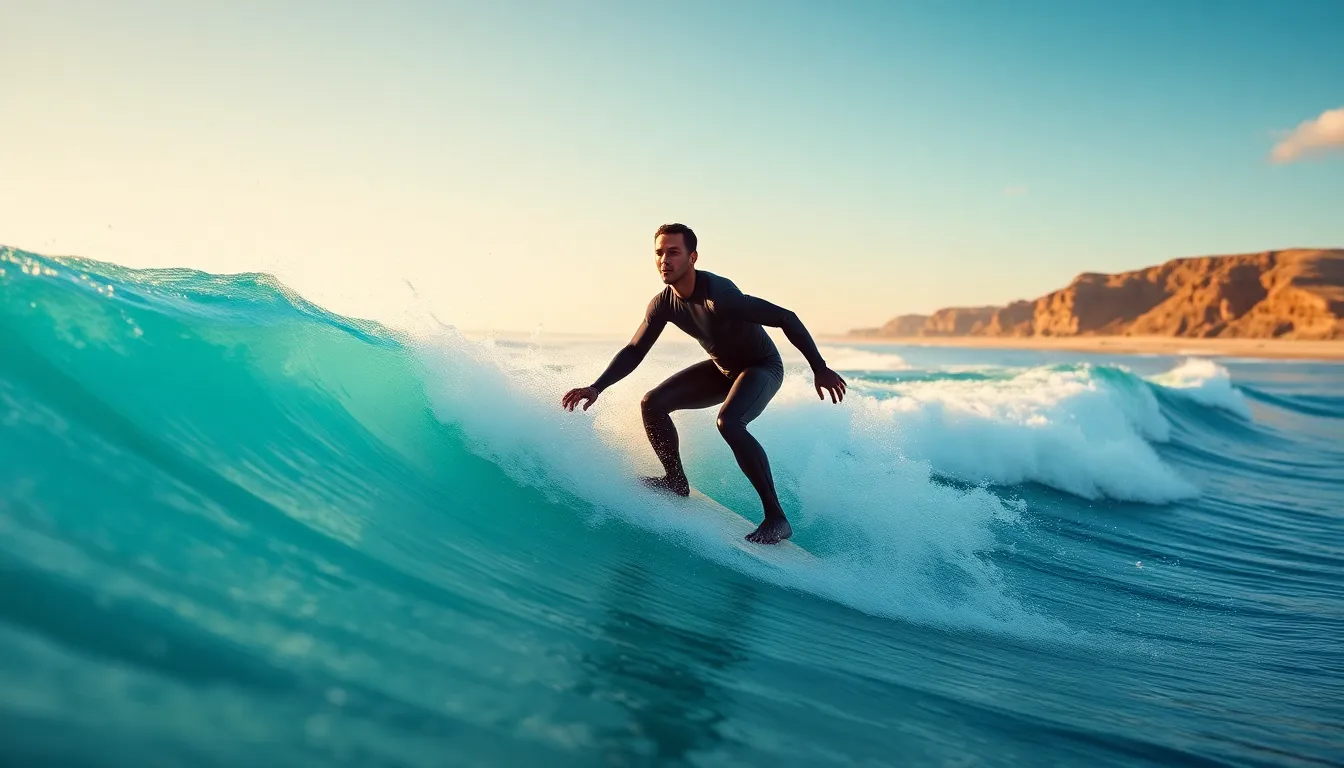
ToggleThe best surfing experiences combine the right destination, proper gear, and solid technique. Whether someone is catching their first wave or chasing barrels across the globe, understanding these elements makes all the difference. Surfing attracts millions of enthusiasts each year, and the sport continues to grow in popularity. This guide covers top destinations, essential equipment, skill-building techniques, and the best conditions for riding waves. Every surfer, from beginner to advanced, will find practical insights to elevate their time in the water.
Key Takeaways
- The best surfing destinations include Hawaii, Indonesia, Portugal, Australia, and Costa Rica—each offering unique waves for different skill levels.
- Choose your surfboard based on ability: beginners benefit from foam boards or longboards, while advanced surfers prefer shortboards for maneuverability.
- Paddling accounts for 80% of your time in the water, so mastering efficient strokes is essential for catching more waves.
- Offshore winds and proper swell direction create the cleanest, most rideable waves—check forecasts before heading to the beach.
- The best surfing happens when swell, wind, and tide align perfectly, so learn to read conditions and time your sessions strategically.
- Consistent practice and video analysis help surfers of all levels refine technique and accelerate improvement.
Top Surfing Destinations Around the World
Some places simply deliver better surfing than others. The waves, weather, and overall vibe create experiences surfers never forget.
Hawaii remains the spiritual home of surfing. The North Shore of Oahu offers legendary breaks like Pipeline and Sunset Beach. Winter swells bring massive waves that attract professionals from every continent. Beginners often prefer Waikiki, where gentler waves and warm water provide an ideal learning environment.
Indonesia ranks among the best surfing destinations globally. Bali’s Uluwatu and Padang Padang draw crowds for good reason, consistent swells, affordable accommodations, and a vibrant surf culture. The Mentawai Islands offer world-class barrels for experienced riders willing to take a boat trip.
Portugal has emerged as Europe’s surfing capital. Nazaré produces some of the largest waves on the planet, while Peniche and Ericeira cater to surfers of all abilities. The Atlantic coast receives consistent swell throughout the year.
Australia’s Gold Coast provides excellent options for every skill level. Superbank, created by sand deposits from the Tweed River, forms one of the longest rideable waves anywhere. Snapper Rocks and Kirra also deliver quality breaks.
Costa Rica offers warm water, affordable surf camps, and reliable waves. Tamarindo works well for beginners, while Playa Hermosa challenges advanced surfers with powerful beach breaks.
Each destination offers distinct characteristics. The best surfing spot depends on skill level, budget, and the type of wave someone wants to ride.
Essential Gear for the Best Surfing Experience
Quality equipment directly impacts performance and safety. Surfers need the right tools for their ability level and local conditions.
Surfboards
Board selection matters enormously. Beginners should start with foam boards or longboards (8-9 feet). These provide stability and forgiveness while learning fundamentals. Intermediate surfers often transition to funboards or fish shapes, which offer more maneuverability. Advanced riders typically prefer shortboards (5’6″ to 6’6″) for quick turns and aerial maneuvers.
Volume, measured in liters, determines how easily a board floats. Higher volume suits beginners and heavier surfers. Lower volume allows for sharper, more responsive riding.
Wetsuits
Water temperature dictates wetsuit thickness. Tropical locations may only require a rash guard. Cooler waters demand:
- 2mm shorty for temperatures 68-72°F
- 3/2mm full suit for 58-68°F
- 4/3mm or 5/4mm for colder conditions
Fit is critical. A loose wetsuit lets water flush through, eliminating insulation benefits.
Additional Equipment
Leashes prevent board loss and protect other surfers. Length should roughly match board length. Wax provides traction, use temperature-appropriate formulas. Sunscreen protects against UV exposure during long sessions. Reef booties shield feet at rocky breaks.
Investing in proper gear creates safer, more enjoyable surf sessions. The best surfing happens when equipment matches conditions and ability.
Techniques to Improve Your Surfing Skills
Progression in surfing requires deliberate practice. Certain techniques accelerate improvement regardless of current ability.
Paddling Efficiency
Paddling accounts for roughly 80% of time in the water. Strong, efficient strokes conserve energy and improve wave-catching success. Surfers should lie centered on their board with their chin up. Arms enter the water near the nose and pull through with cupped hands. Alternating strokes should maintain rhythm without excessive splash.
Pop-Up Mechanics
The pop-up determines everything that follows. Practice this movement on land until it becomes automatic. Hands press down beside the chest, not the rails. The back foot lands first near the tail, followed by the front foot between the hands. The entire motion should happen in one fluid movement.
Reading Waves
Understanding how waves break separates good surfers from great ones. Watch the lineup before paddling out. Identify where waves peak and which direction they break. Position matters, sitting too far inside means getting caught by sets, while sitting outside means missing waves.
Bottom Turns
The bottom turn generates speed and sets up every subsequent maneuver. After dropping in, surfers compress their body and drive off the bottom of the wave. The direction of the turn determines whether they ride along the face or project toward the lip.
Video Analysis
Filming sessions reveals flaws invisible during the ride. Many surfers discover stance issues, timing problems, or wasted movements through video review.
The best surfing comes from consistent practice. Even professionals spend countless hours refining fundamentals.
When and Where to Find the Best Waves
Timing dramatically affects wave quality. Understanding swell, wind, and tide patterns helps surfers maximize their sessions.
Swell Direction and Size
Swells originate from storms hundreds or thousands of miles away. Different breaks work best with specific swell directions. A beach facing west needs westerly or southwesterly swell. Swell size is measured in feet or Hawaiian scale (roughly half the face height). Beginners should seek waves in the 2-4 foot range.
Forecast websites like Surfline and Magic Seaweed predict swell arrival, size, and direction days in advance. Checking forecasts before driving to the beach saves wasted trips.
Wind Conditions
Offshore wind (blowing from land toward sea) creates the cleanest waves. It holds up wave faces and produces better form. Onshore wind (blowing from sea toward land) creates choppy, disorganized conditions. Early mornings typically offer the lightest winds.
Tides
Tidal movement changes wave shape throughout the day. Some breaks only work at low tide when sandbars or reefs become exposed. Others need high tide to create enough water depth. Local knowledge proves invaluable, experienced surfers know exactly which tide produces the best surfing at their home break.
Seasonal Patterns
Hemispheres experience opposite seasons. Winter in the Northern Hemisphere generates powerful North Pacific swells hitting Hawaii and California. Summer sends Southern Hemisphere swells toward Indonesia, Fiji, and Tahiti.
Planning trips around these patterns increases chances of scoring excellent waves. The best surfing happens when swell, wind, and tide align perfectly, and prepared surfers position themselves to take advantage.