Table of Contents
ToggleSwimming tips can transform a hesitant paddler into a confident swimmer. Whether someone is learning their first strokes or refining years of practice, small adjustments make a big difference. The right techniques help swimmers move faster, conserve energy, and feel more comfortable in the water.
Many swimmers struggle with the same issues: running out of breath, sinking legs, or strokes that feel inefficient. These problems often stem from a few fixable habits. With the right swimming tips, anyone can address these challenges and see real improvement.
This guide covers the essential swimming tips every swimmer needs. From breathing patterns to stroke mechanics, these strategies will help build speed, endurance, and water confidence.
Key Takeaways
- Exhale underwater and inhale only when your face surfaces to make breathing feel natural and conserve energy.
- Keep your head neutral and engage your core to maintain a flat body position, which reduces drag and improves speed.
- Focus on a full stroke extension—entering fingertips first and exiting near the hip—to maximize distance with each pull.
- Build swimming endurance through consistent practice, aiming for three 30-minute sessions weekly rather than one long workout.
- Use these swimming tips to address common issues like sinking legs, inefficient strokes, and running out of breath.
- Overcome challenges like goggle fog, shoulder pain, and water anxiety with simple fixes such as proper technique adjustments and gradual exposure.
Master the Basics of Proper Breathing
Breathing is where most swimmers go wrong first. New swimmers tend to hold their breath underwater, then gasp for air at the surface. This creates tension, wastes energy, and throws off rhythm.
The best swimming tips for breathing focus on exhaling underwater. Swimmers should blow out steadily through their nose or mouth while their face is submerged. When they turn to breathe, they only need to inhale, the exhale already happened. This simple switch makes breathing feel natural rather than rushed.
Timing matters too. Freestyle swimmers should turn their head to breathe as one arm exits the water. The head rotates with the body, not independently. Lifting the head breaks body position and slows forward movement.
A common mistake is breathing too often or too rarely. Most recreational swimmers do well breathing every two or three strokes. Bilateral breathing, alternating sides, helps develop balanced technique. Some swimmers prefer one side, and that’s fine for casual swimming. But training both sides prevents muscle imbalances.
Practice breathing drills regularly. Kick on one side with an arm extended, breathing toward the ceiling. This drill isolates the breathing motion and builds comfort with head rotation.
Perfect Your Body Position and Posture
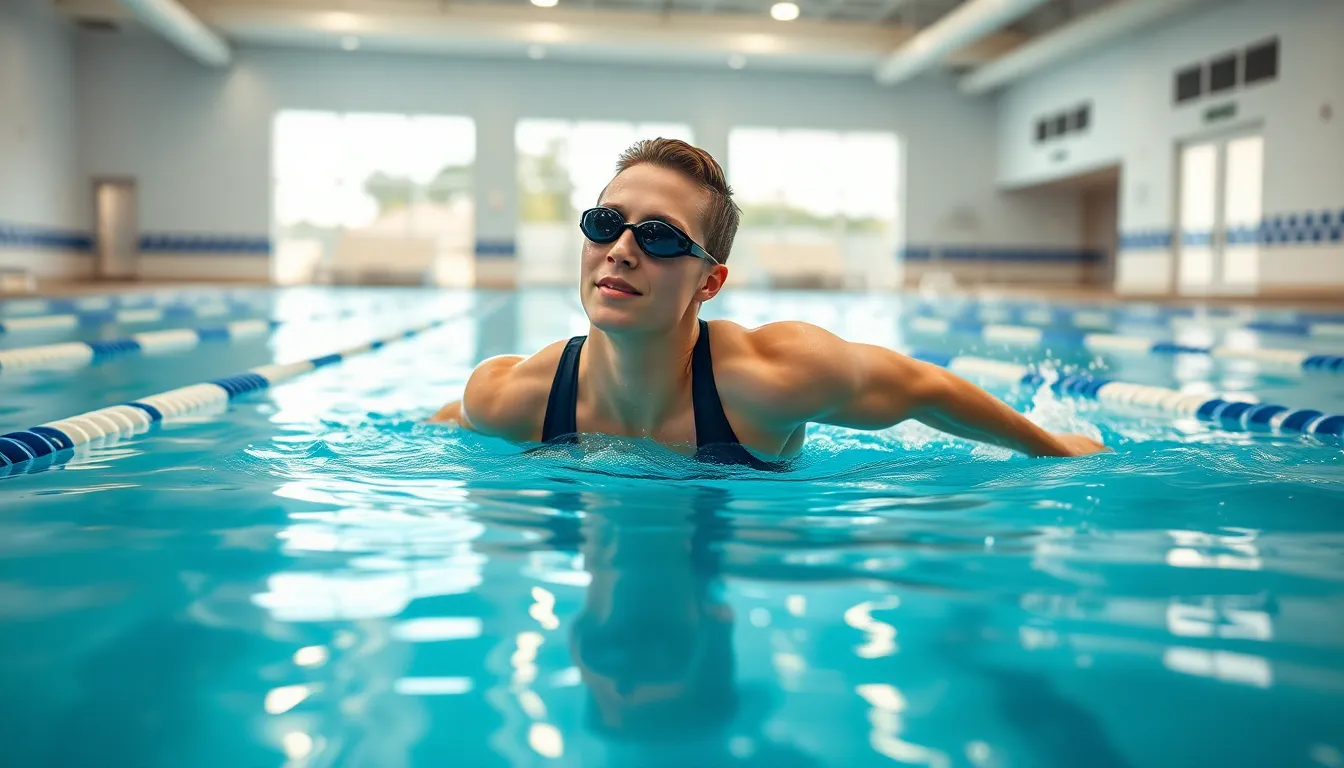
Body position affects everything in swimming. A flat, streamlined body slices through water. A sagging body creates drag and requires more effort to move forward.
The core does most of the work here. Swimmers should engage their abdominal muscles to keep their hips near the surface. When the hips sink, the legs follow. Suddenly, the swimmer is fighting uphill through the water.
Head position controls body position. Looking straight down keeps the spine aligned and the hips high. Looking forward or lifting the head pushes the hips down. Think of the body as a seesaw, when one end goes up, the other goes down.
Swimming tips for better posture include:
- Keep the head neutral, with eyes focused on the pool bottom
- Press the chest slightly into the water (this lifts the hips)
- Maintain a long spine from head to tailbone
- Squeeze the core as if bracing for a light punch
Streamlining deserves attention too. After pushing off the wall, swimmers should stack their hands, squeeze their arms against their ears, and point their toes. This position reduces resistance and carries momentum further.
Drills like floating in a streamlined position help swimmers feel correct alignment. Even 30 seconds of focused floating teaches the body what “flat” feels like.
Develop Efficient Stroke Techniques
Efficient strokes cover more distance with less effort. Sloppy strokes waste energy and slow swimmers down. The difference often comes down to a few key details.
In freestyle, the catch phase matters most. The hand enters the water fingertips first, about shoulder-width apart. Then the swimmer reaches forward before pulling back. Many swimmers skip the reach and start pulling too early. This shortens the stroke and reduces power.
The pull should follow an S-curve or straight path under the body, coaches debate this. What everyone agrees on: the hand should exit near the hip, not the waist. A full extension maximizes each stroke’s distance.
Swimming tips for backstroke emphasize rotation. The shoulders should rock side to side, not stay flat. Rotation engages the larger back muscles and takes stress off the shoulders. The pinky enters the water first, and the arm stays straight during recovery.
Breaststroke swimmers often struggle with timing. The pull, breath, kick, and glide should flow in sequence, not overlap. Rushing the stroke kills momentum. A strong glide between strokes actually makes swimmers faster by reducing drag.
Butterfly requires rhythm and patience. The two-kick pattern, one kick at hand entry, one at hand exit, drives the stroke. Swimmers who rush the arm recovery lose their rhythm and tire quickly.
Filming strokes underwater reveals problems swimmers can’t feel. Even a smartphone in a waterproof case provides useful feedback.
Build Endurance Through Consistent Practice
Swimming fitness doesn’t transfer perfectly from land. A runner in great shape can still struggle through a few laps. The body needs time to adapt to breathing patterns, water resistance, and horizontal movement.
Consistency beats intensity for building swimming endurance. Three 30-minute sessions per week will improve fitness faster than one exhausting two-hour session. Regular practice lets the body adapt gradually.
Swimming tips for endurance include mixing distances and intensities. A sample workout might include:
- Warm-up: 200 meters easy swimming
- Main set: 8 x 50 meters at moderate effort, with 15 seconds rest
- Cool-down: 100 meters easy backstroke
Interval training builds cardiovascular capacity. Short bursts of faster swimming followed by rest teach the body to recover quickly. Over time, swimmers can shorten rest periods or increase speed.
Kicking drills build leg endurance specifically. Many swimmers neglect their kick, letting the legs drag. A strong kick stabilizes the body and adds propulsion. Using a kickboard for dedicated sets addresses this weakness.
Tracking progress keeps swimmers motivated. Recording times, distances, or stroke counts shows improvement that might not feel obvious day-to-day. Even small gains add up over weeks and months.
Rest matters too. Muscles repair and strengthen during recovery. Swimming every day without rest can lead to fatigue or injury.
Overcome Common Swimming Challenges
Every swimmer faces obstacles. Recognizing common problems, and their solutions, speeds up progress.
Fear of deep water affects many adult swimmers. The fix often involves gradual exposure. Swimmers can start in chest-deep water, practice floating, then move deeper as comfort grows. Wearing goggles helps because seeing underwater reduces anxiety.
Swimming tips for dealing with water in the nose: exhale gently through the nose while submerged. A constant trickle of bubbles prevents water from entering. For backstroke, humming creates the same effect.
Goggle fog frustrates everyone. Anti-fog sprays work, but saliva works too, a quick spit and rinse before swimming keeps lenses clear. Avoid touching the inside of the lenses, which removes the anti-fog coating.
Shoulder pain signals a technique problem or overtraining. High elbow recovery in freestyle, crossing the midline during entry, or pulling too wide can stress the shoulder joint. Reducing yardage, improving form, and strengthening rotator cuff muscles usually help.
Cramping often results from dehydration or mineral deficiency. Swimmers should hydrate before and after practice. Stretching the calves and feet before swimming reduces cramp risk.
Chlorine irritation bothers sensitive skin. Rinsing immediately after swimming and applying moisturizer helps. Swimmers with severe sensitivity can use barrier creams before entering the pool.